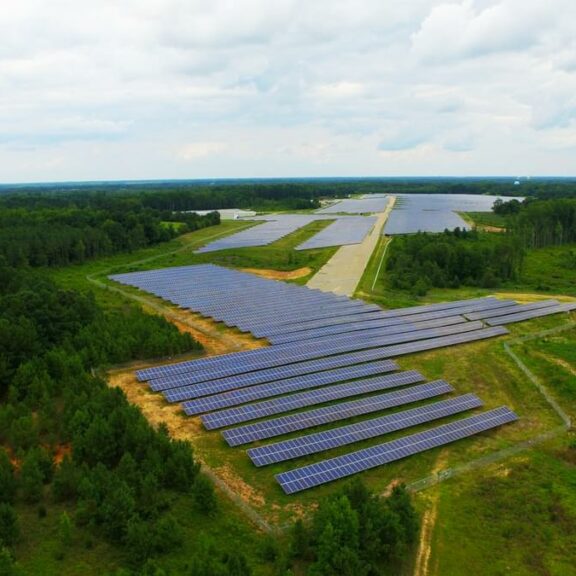
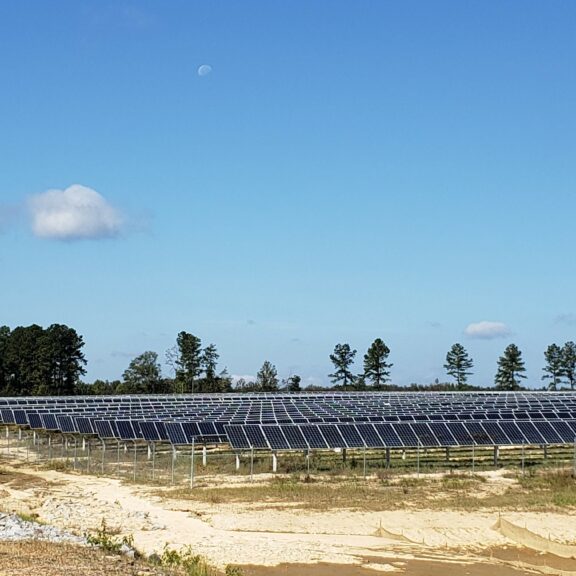
This article is intended to provide a high-level overview of Executive Order 14156, focusing on its potential implications for historic preservation and cultural resource review under Section 106 of the National Historic Preservation Act. While the long-term effects will depend on agency implementation, the order may influence review timelines, coordination requirements, and stakeholder involvement for federally permitted or funded projects.
Overview of Executive Order 14156
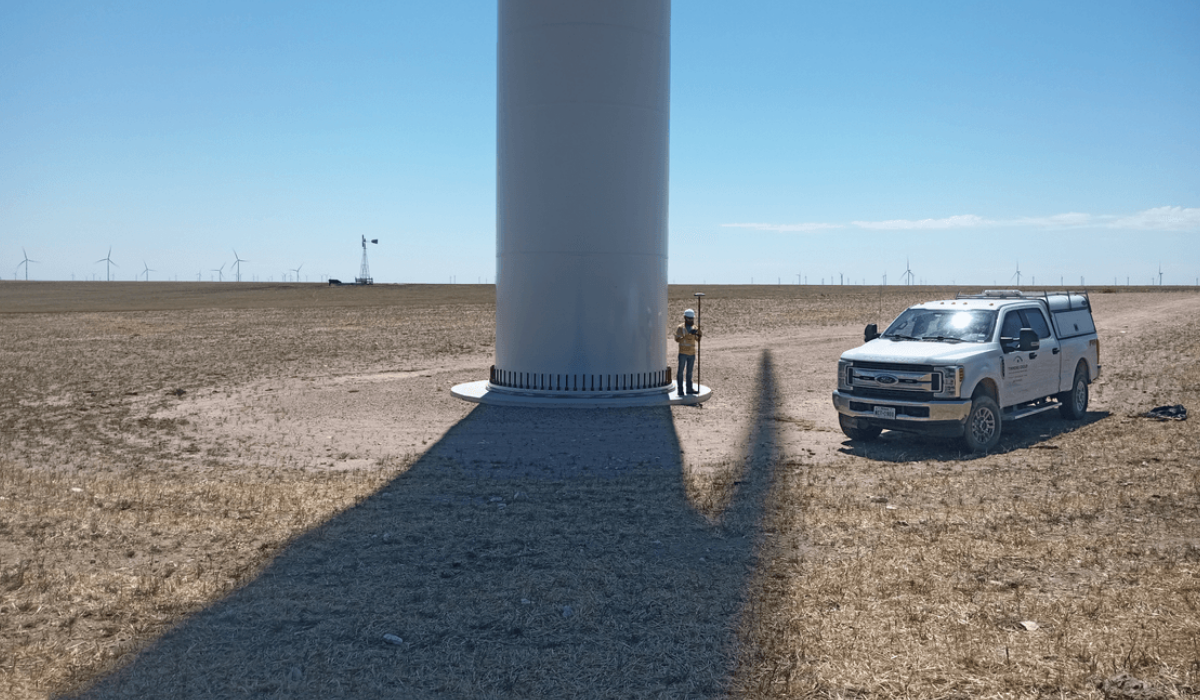
On January 20, 2025, President Trump issued Executive Order (EO) 14156, declaring a national emergency regarding the availability of domestic energy resources and the production, transportation, refining, and generation of energy. This order introduces changes to how federal agencies may review and approve energy-related projects.
Energy is vital to our everyday lives, and demand continues to grow across many regions, including Virginia, where population growth and the expansion of data centers have contributed to increased consumption. In response, our local energy providers have been working to enhance production through conventional means and renewable energy sources. They’re also improving the grid by expanding and upgrading the state’s transmission line and pipeline networks.
What the Executive Order Seeks to Do
The EO allows federal agencies that regulate energy projects to streamline project review and fast-track approvals, enabling critical infrastructure to come online faster. It directs all executive departments and agencies to identify and exercise any lawful emergency authorities available to them, as well as all other lawful authorities they may possess, to facilitate the identification, leasing, siting, production, transportation, refining, and generation of domestic energy resources, including, but not limited to, on federal lands.
The range of agencies that may be involved with energy projects is wide. For example:
- A substation that involves disturbance to wetlands and watercourses may require a permit from the Army Corps
- A solar project may be sponsored by or on land managed by the Department of Agriculture
- A pipeline could cross through a National Forest
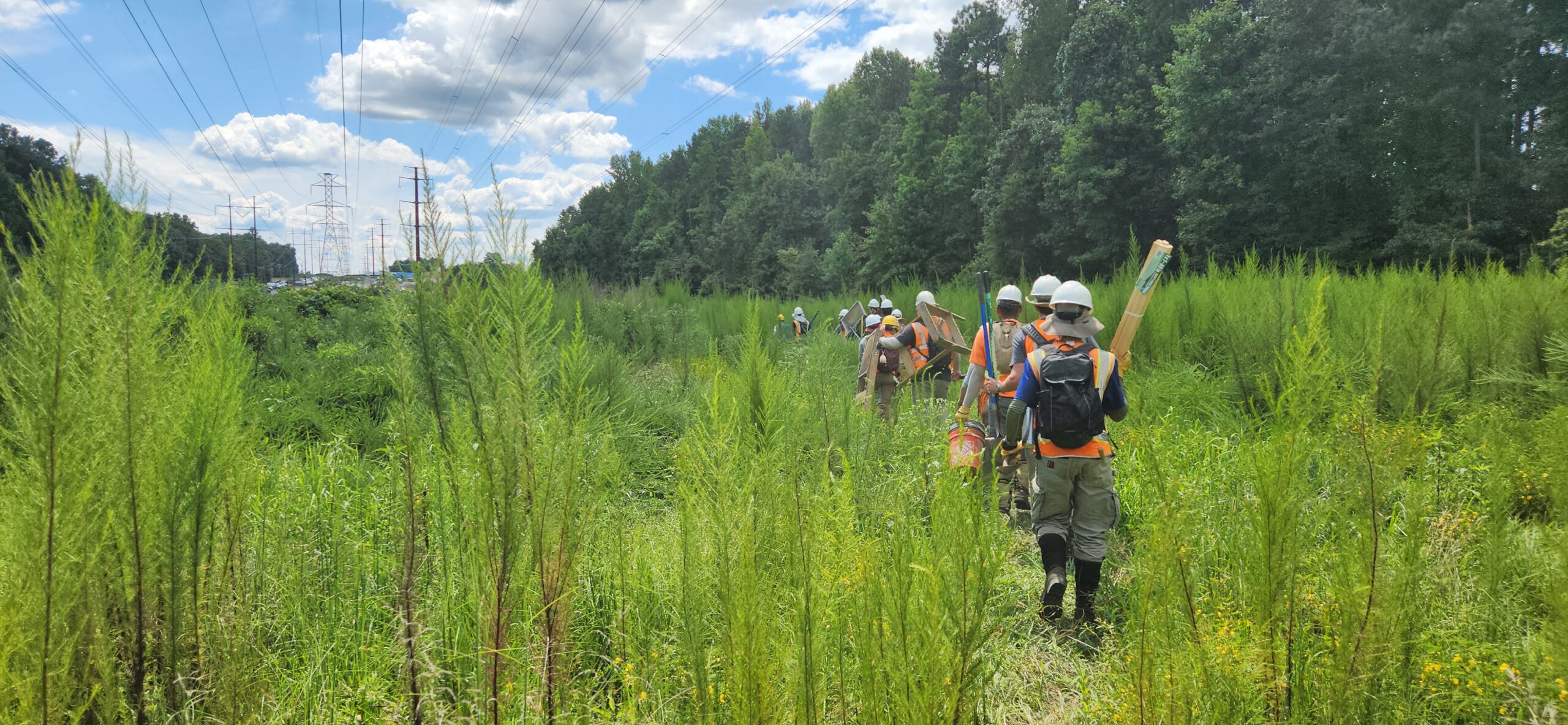
- A transmission line may cross lands managed by the National Park Service.
Because of the involvement of federal agencies, these projects would typically require compliance with Section 106 of the National Historic Preservation Act, which states that federal agencies must consider the effects on historic properties of projects they carry out, assist, fund, permit, license, or approve throughout the country prior to issuing federal approval.
Section 106: Intersection with Historic Preservation Requirements
The EO directs federal agencies to expedite project approvals, while Section 106 requires them to consider effects on historic properties with no set time limits. By design, Section 106 is a relatively open-ended process that aims to identify potentially significant historic properties and to avoid, minimize, or mitigate effects on them through consultation between project regulators, stakeholders, and the public.
This process may involve extensive efforts to (1) first identify which historic properties could be affected by an undertaking, followed by (2) an evaluation to determine whether these properties hold value or historical significance, and, finally, (3) a thorough assessment of potential project impacts that could adversely affect significant properties. Should it be found that a project will adversely affect a historic property, a consultation process is required to resolve the effects.
Consultation involves coordination among the federal agency that is funding or permitting the project, the project stakeholders, the relevant State Historic Preservation Office (SHPO), Tribal Historic Preservation Office (THPOs), the public, other interested parties, and potentially other federal agencies. For large or complex projects, especially those with significant public interest, it may take up to several months or years to complete the Section 106 process, which must be completed before the federal agency can take its action on the project, whether it be approval of funding, issuance of a permit, or other project authorization.
Emergency Provisions and Updated Guidance
While the regulations implementing Section 106 (36 CFR Part 800) Protection of Historic Properties allow for expedited Section 106 reviews in the event of Presidentially declared disasters or emergencies, historically, these provisions were only used in the event of natural disasters or public emergencies lasting for short, defined periods of time. Because the EO established an ongoing emergency without a defined end date, the Advisory Council on Historic Preservation (ACHP), an independent federal agency responsible for advising the President and Congress on matters of historic preservation as well as overseeing federal agency compliance with the Section 106 review process, has issued guidance on complying with the Section 106 regulations under the EO.
The ACHP’s guidance, released as Section 106 Emergency Provisions and the Executive Order Declaring a National Energy Emergency, is intended to assist federal agencies in complying with Section 106 during the period in which the EO is in place. The ACHP reiterates that the decision on whether an undertaking qualifies as emergent under the EO is ultimately up to the federal agency responsible for compliance with Section 106. If the determination is made that a particular project qualifies as emergent, the agency can avail itself of the existing expedited emergency provisions in Section 800.12(b)(2) of the Section 106 regulations.
These provisions require that, prior to the undertaking, the agency notify the ACHP, the appropriate SHPO/THPO, and Indian Tribes or Native Hawaiian Organizations (NHOs) of the undertaking and provide them an opportunity to comment within seven days of notification. It further recommends that, where circumstances allow, agencies are encouraged to consider providing additional time for review and comment, as certain activities addressed by the EO may permit additional time to assess the potential effects on historic properties.
Under the EO, a federal agency’s responsibility to coordinate an undertaking and its effects on historic properties is limited to three groups: the ACHP, the SHPO/THPO, and Indian Tribes or Native Hawaiian Organizations.
Biggest Impact on Project Review
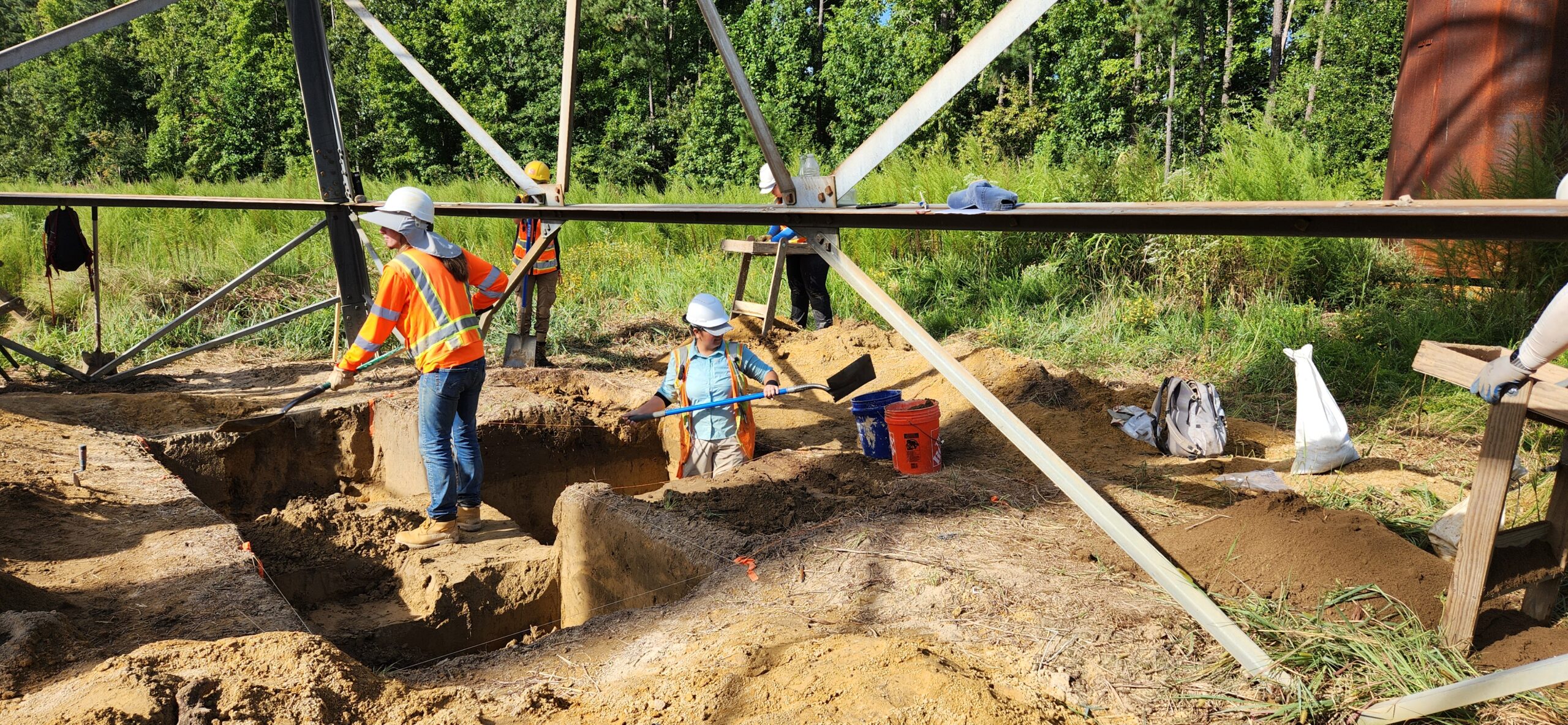
The conventional process of identification, evaluation, assessment, and resolution of effects may be circumvented under the EO, reducing the timeline to 7 days for the ACHP, SHPO/THPO, and Tribes to review and comment. These changes affect the timeline for consideration of historic resources, effectively allowing agencies to move energy-related projects forward more quickly under the emergency provisions of Section 106 for an indefinite period of time.
What This Means Moving Forward
Executive Order 14156 marks a fundamental shift in how federal energy projects may interact with historic preservation law. However, the extent of its impact will depend on how agencies interpret and implement the order over time.
It’s important to note that the EO pertains only to federally funded, permitted, licensed, or approved projects and does not affect or have any bearing on state-level regulations governing cultural resources related to energy projects
For project teams and stakeholders, it’s more important now than ever to understand both federal and state requirements and maintain clear coordination—ensuring that, as projects move forward efficiently, historic preservation is not overlooked, and all regulatory processes are followed. Even as processes shift, stewardship of our shared heritage remains a vital and meaningful responsibility.