Overview
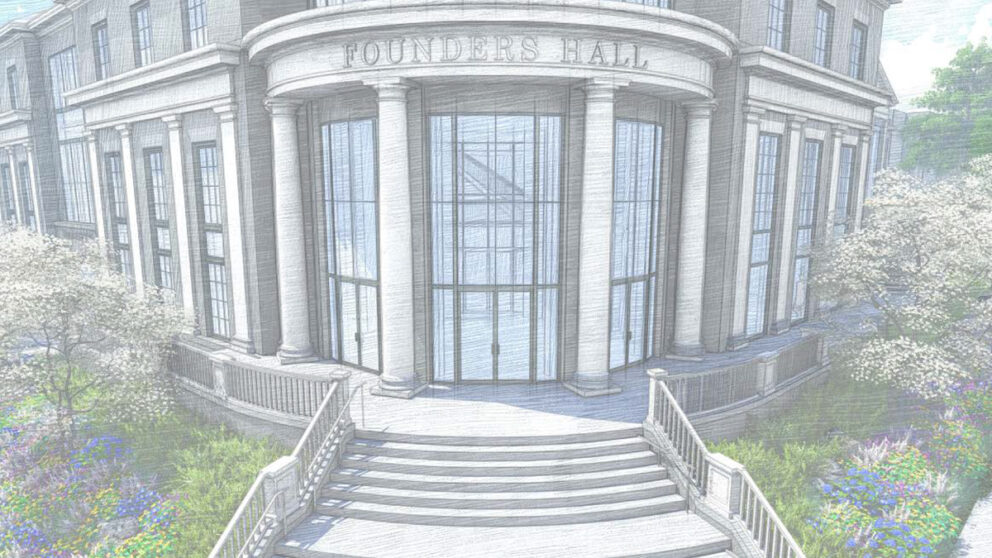
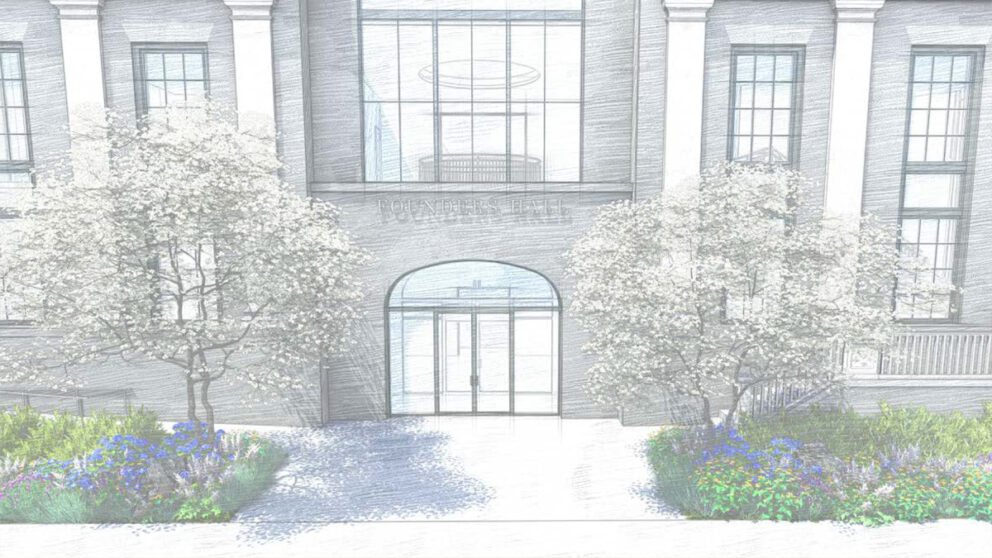
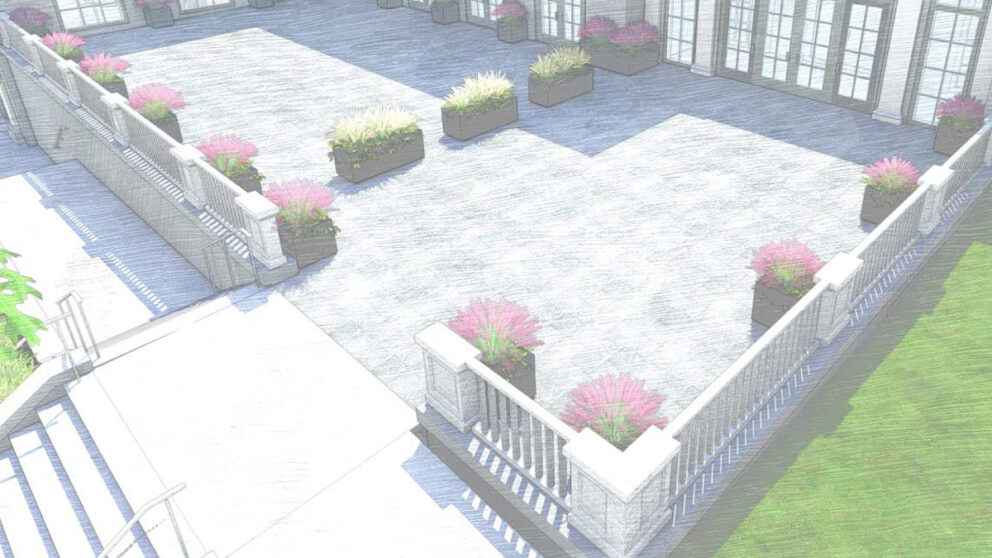
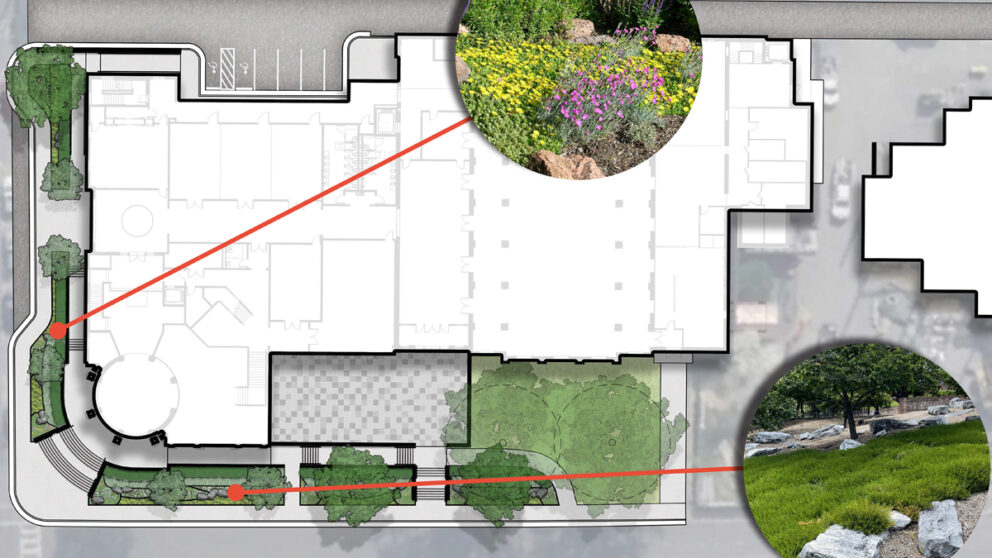
Timmons Group collaborated with the architecture team and client to design the landscape as an extension of the institution’s commitment to environmental stewardship, campus beauty, and long-term sustainability. Supporting the project’s goal of LEED Silver certification, the design draws inspiration from Virginia’s Piedmont region using native and adaptive plant species selected for durability, seasonal interest, and ecological value. Drought-tolerant plantings and low-water-use landscape strategies will reduce irrigation demands, while pollinator-friendly species will enhance biodiversity and provide habitat for beneficial wildlife. Sustainable soil management practices, including compost-enriched soils and responsible mulch applications, will further improve plant health, stormwater infiltration, and long-term environmental performance.
A key component of the landscape strategy is the preservation of existing site assets, including two mature Liquidambar styraciflua trees adjacent to the proposed building and lawn areas. Retaining these trees preserves valuable canopy cover, provides immediate character and shade, and strengthens the connection to the site’s existing landscape framework. Together, these strategies create a resilient and environmentally responsible campus landscape that enhances the user experience, supports ecological function, and reflects Washington and Lee University’s commitment to sustainability.
