Arbor Day is a time to recognize the value trees bring to our communities, from environmental health and resilience to economic viability and quality of life. At its core, Arbor Day reinforces the importance of thoughtful planning and long-term stewardship of tree resources, especially as landscapes continue to evolve through development.
At Timmons Group, Arbor Day is also an opportunity to highlight the critical role professional arborist services play in balancing responsible development with tree conservation. With multiple ISA-Certified Arborists and Tree Risk Assessment Qualified (TRAQ) professionals on staff, our team is equipped to provide developers, engineers, planners, and landowners with data-driven insights needed to support informed decision-making while protecting valuable tree resources.
Why Arborist Services Matter in Development
Trees are often one of the most scrutinized natural resources during the development process. Local ordinances, buffer requirements, tree protection standards, and risk considerations can all influence project feasibility, design, and timelines. Early arborist involvement helps teams navigate these variables to keep projects moving forward.
Our ISA-Certified arborists are trained to evaluate potential tree risk using industry-standard methodologies, enabling development teams to identify which trees to preserve, mitigate, or remove, while reducing regulatory uncertainty and streamlining review processes.
This preliminary insight supports more efficient site design and enables teams to proactively manage risk and long-term liability, ultimately helping minimize project impacts and enhancing property value over time.
Arborist Services That Support Smarter Projects
Tree inventories and forest stand delineations form the foundation for understanding how existing tree resources interact with development constraints and opportunities. By documenting conditions at both the individual tree and broader forest level, these services enable more confident planning, clearer permitting pathways, and sound long‑term management decisions.
Tree Inventories
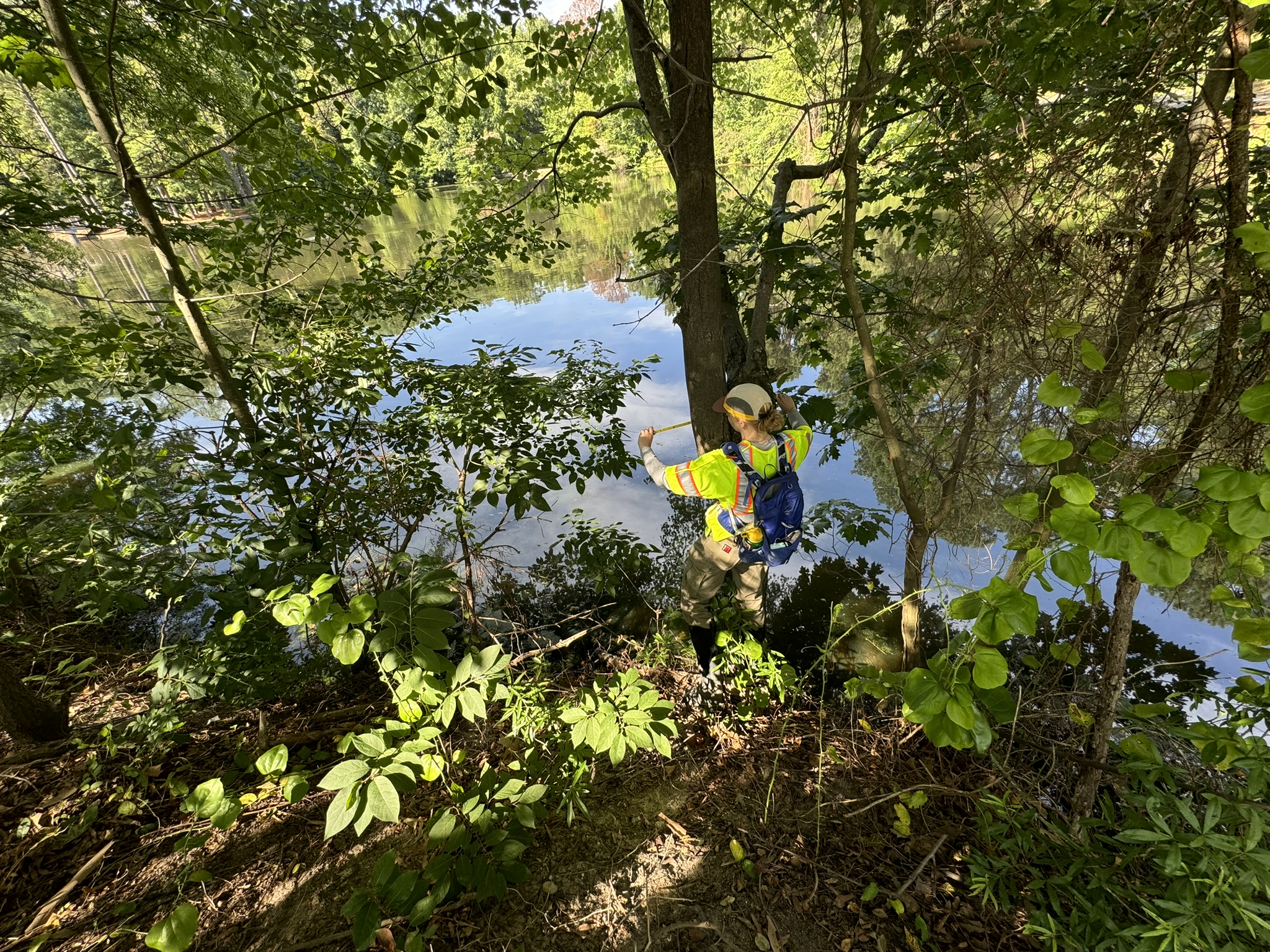
A comprehensive tree inventory is often the foundation of both development planning and regulatory compliance. Our arborists collect detailed field data, including species identification, size, condition, health, and precise location, to produce clear, defensible inventories that support:
- Tree preservation plans for design teams to incorporate into site layouts
- Permit submittals that streamline agency review
- Mitigation calculations based on local regulations
- Early feasibility assessments to determine how existing tree resources may influence overall development
Accurate tree inventories allow project teams to understand constraints early in the process, helping minimize redesign efforts and avoid unnecessary costs.
Forest Stand Delineations
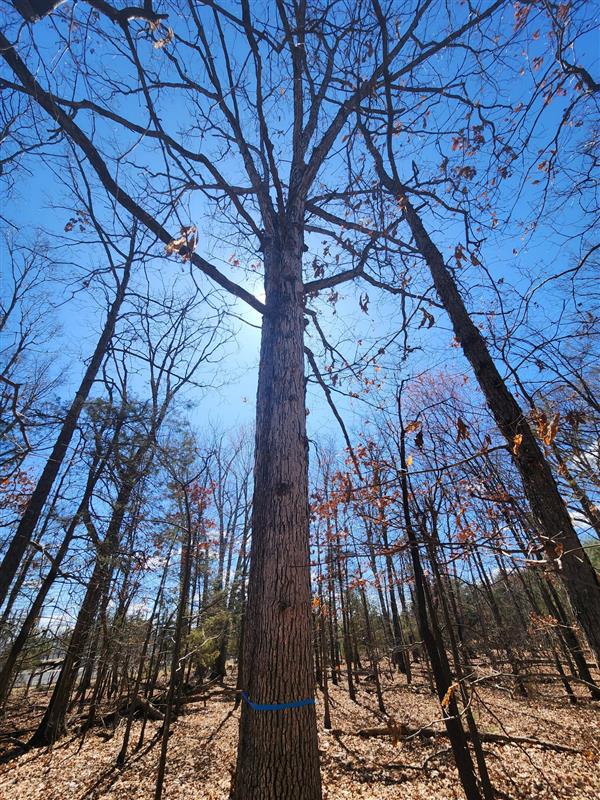
For larger or heavily wooded parcels, forest stand delineations provide a broader ecological picture. By grouping trees into stands based on species composition, age, density, and structure, we help clients:
- Evaluate development impacts at a landscape scale
- Identify higher-value forest resources
- Inform conservation and mitigation strategies
- Support environmental documentation and agency coordination
This approach is particularly useful when navigating zoning conditions, conservation easements, or large-scale land development projects.
Arbor Day Is About the Future
While Arbor Day celebrates planting and preservation, it’s also about planning for the long term. Thoughtful arborist involvement ensures the trees remaining on site are healthy, safe, and positioned for success, which benefits property owners, communities, and ecosystems alike.
By integrating arborist services early in the development process, projects can achieve better environmental outcomes without sacrificing design intent or schedule.
Arborists play a critical role in shaping resilient, sustainable projects. We’re proud to help bridge the gap between environmental stewardship and practical development, demonstrating that growth and conservation don’t have to be at odds.