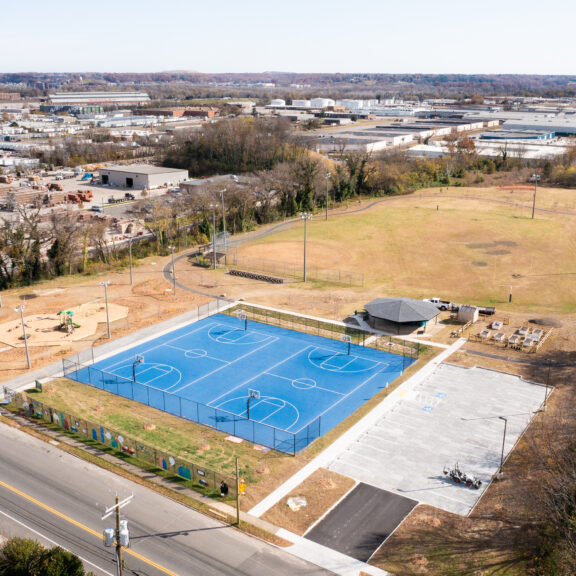
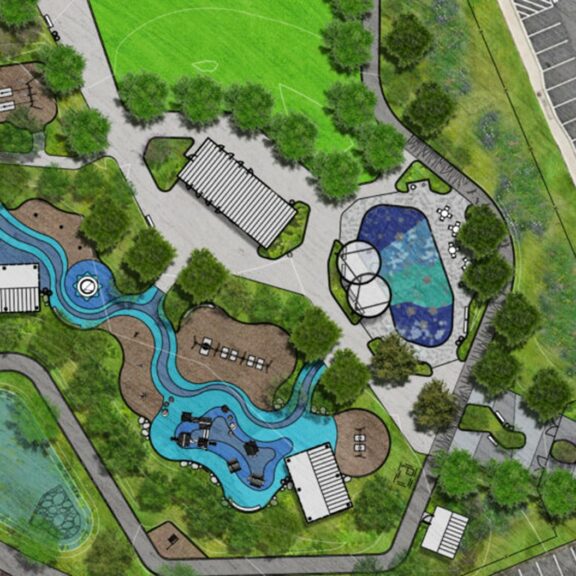
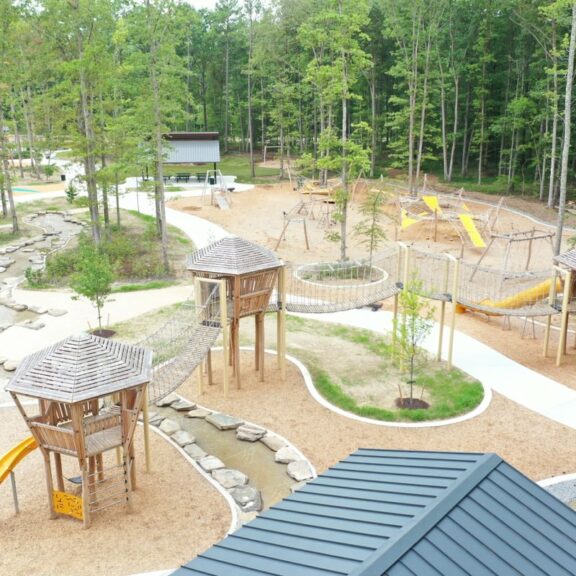
Well-planned communities contain parks of different sizes and purposes, from playgrounds and active spaces to quiet walking trails and sprawling nature preserves. While each of these spaces may feel distinct at first glance, they are often part of a broader park system intentionally designed to serve communities in different ways.
Scalable park design builds on this idea, approaching parks not as standalone amenities but as connected pieces of a larger network. By planning parks that address the differing and unique needs we all have as individuals (families with kids, athletes and fitness-seekers, people in search of solitude, etc.), communities can better respond to evolving demand and long-term investment, creating spaces that work together rather than in isolation.
So, What Is Scalable Park Design and Why Does It Matter?
Scalable park design is the intentional planning, design, and implementation of parks as part of a connected system — one that responds to community needs at multiple levels, from a small neighborhood gathering space to a regional destination. At its core, scalable park design is grounded in the National Recreation and Park Association (NRPA) park classification framework, which helps communities plan for parks of different sizes, service areas, and functions. Rather than treating each park as a standalone project, this approach views parks as interdependent pieces of a broader public realm that must grow, adapt, and perform together over time.
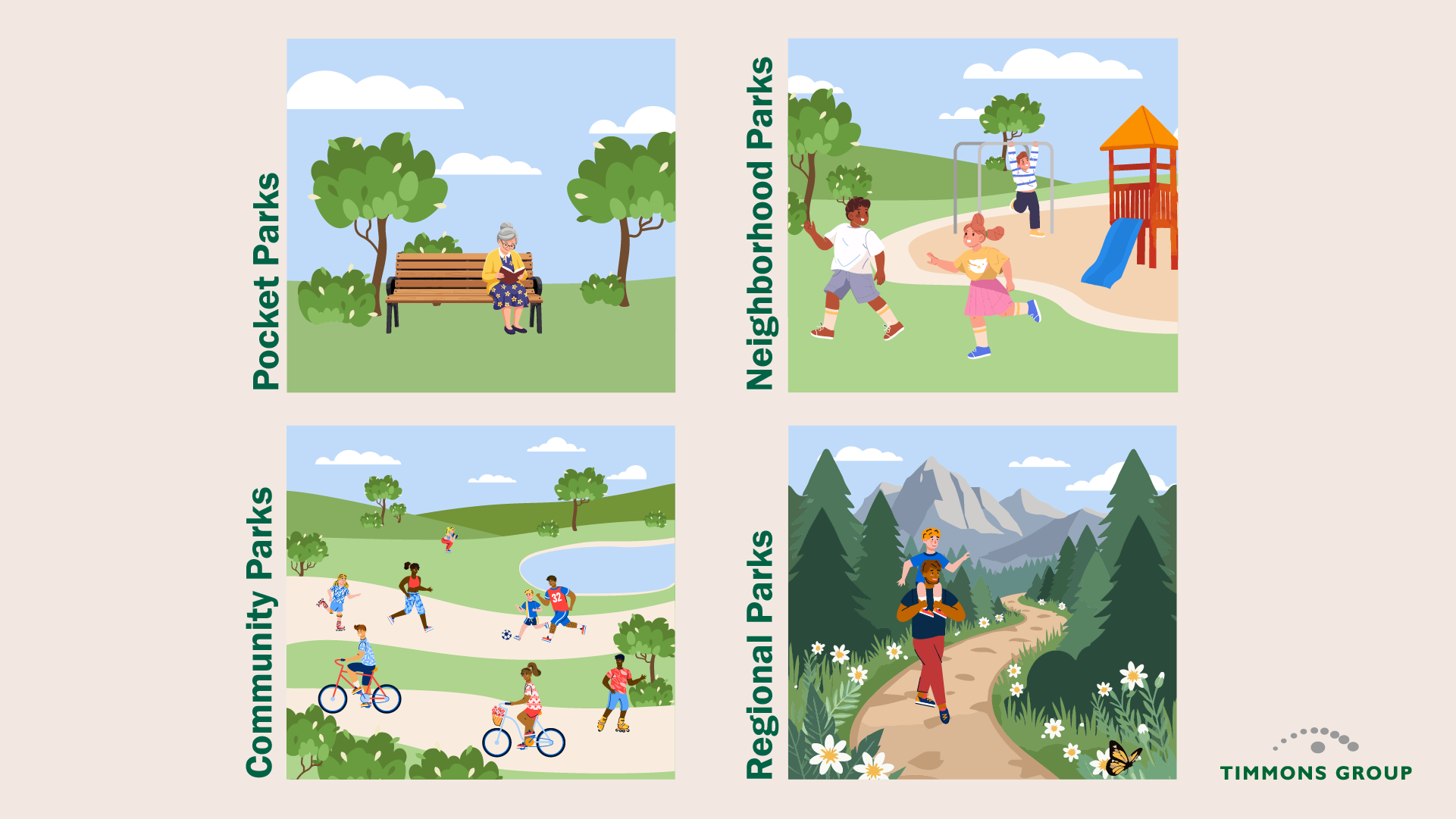
Using the NRPA framework, localities typically plan for a hierarchy of park types:
- Mini‑parks or pocket parks are small, close‑to‑home spaces, often less than an acre, that provide informal gathering, seating, or play opportunities within dense neighborhoods.
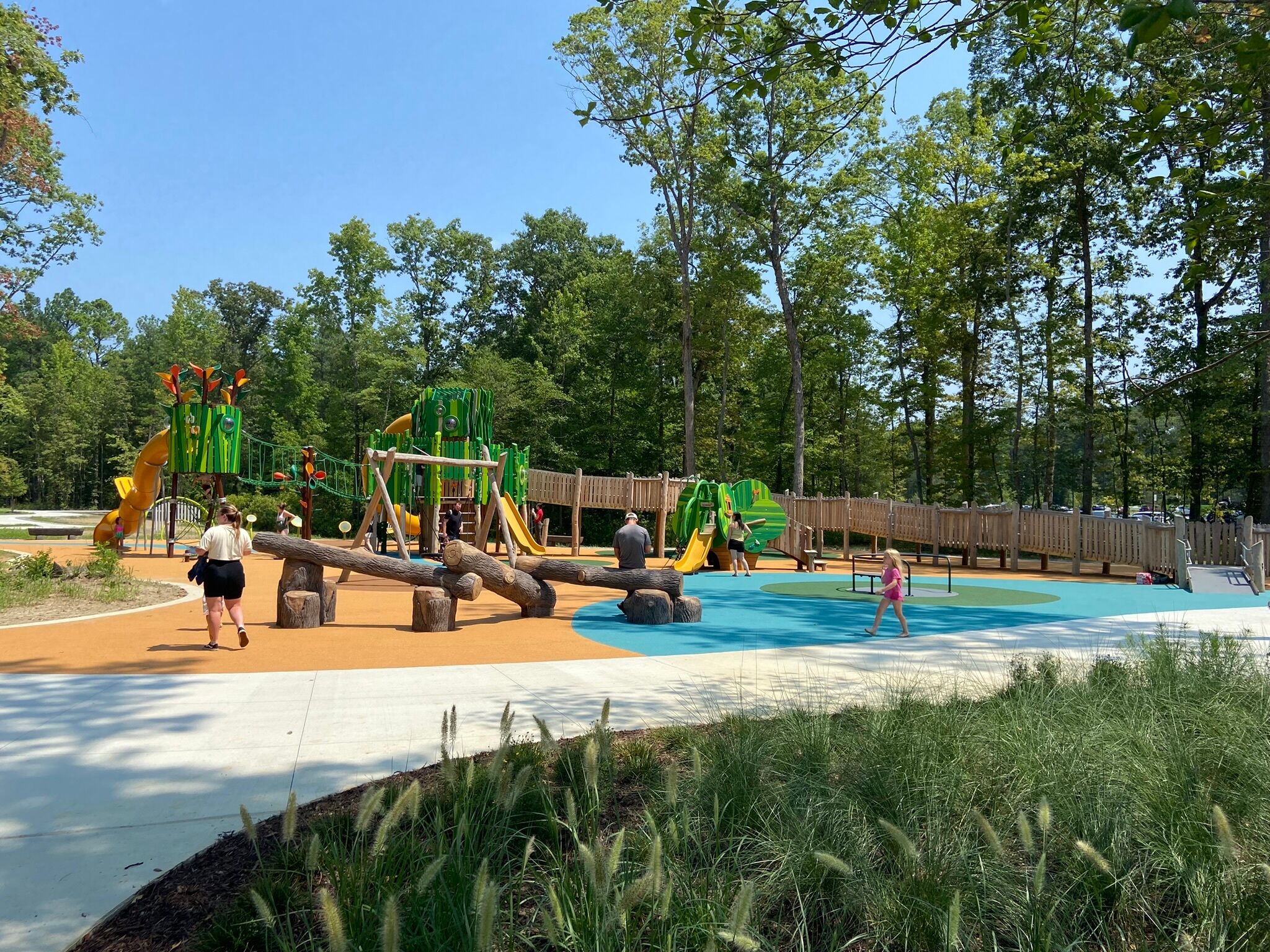
- Neighborhood parks serve nearby residents with playgrounds, open lawns, and light recreational amenities that support daily use.
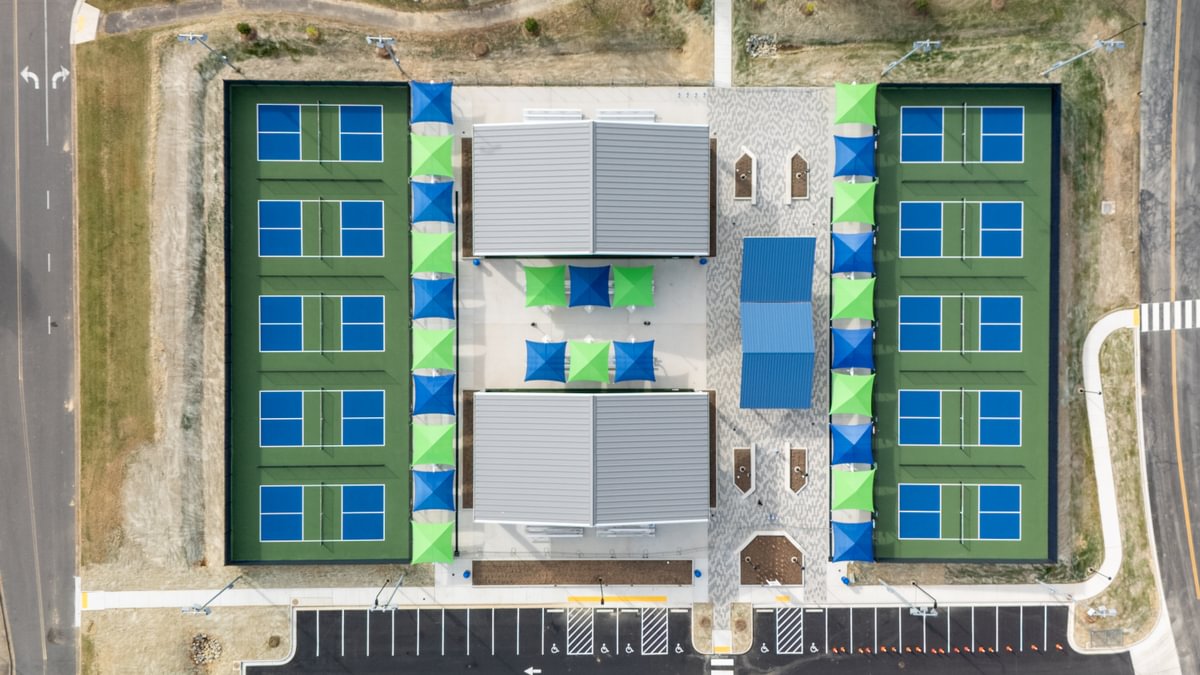
- Community parks are larger and more program‑rich, accommodating athletic fields, trails, shelters, and facilities that serve multiple neighborhoods.
- Regional parks function at an even broader scale, offering destination experiences, significant natural resources, or specialized recreation that draws users from across a city or region.
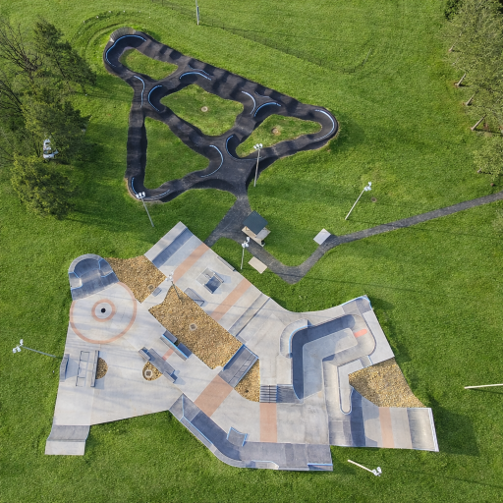
Beyond traditional park sites, scalable systems also include greenways, which connect parks and neighborhoods through linear corridors that support walking, biking, and alternative transportation methods, often through ecological areas. Natural resource areas prioritize conservation, habitat protection, and passive recreation, often forming the environmental backbone of a park system. School parks or joint‑use facilities leverage partnerships with school districts to expand access to recreation spaces outside of school hours. Finally, special‑use parks are designed around a focused purpose, such as sports complexes, dog parks, skate parks, waterfront parks, historic sites, or civic plazas, that may not fit neatly into other categories but play a critical role in meeting community needs.
Together, these park types form a scalable framework that allows communities to invest strategically, respond to growth, and deliver equitable access to recreation and open space. The value of this approach becomes even clearer when we look at how community input, planning processes, and professional design expertise intersect.
The Role of the Community in Scalable Park Design
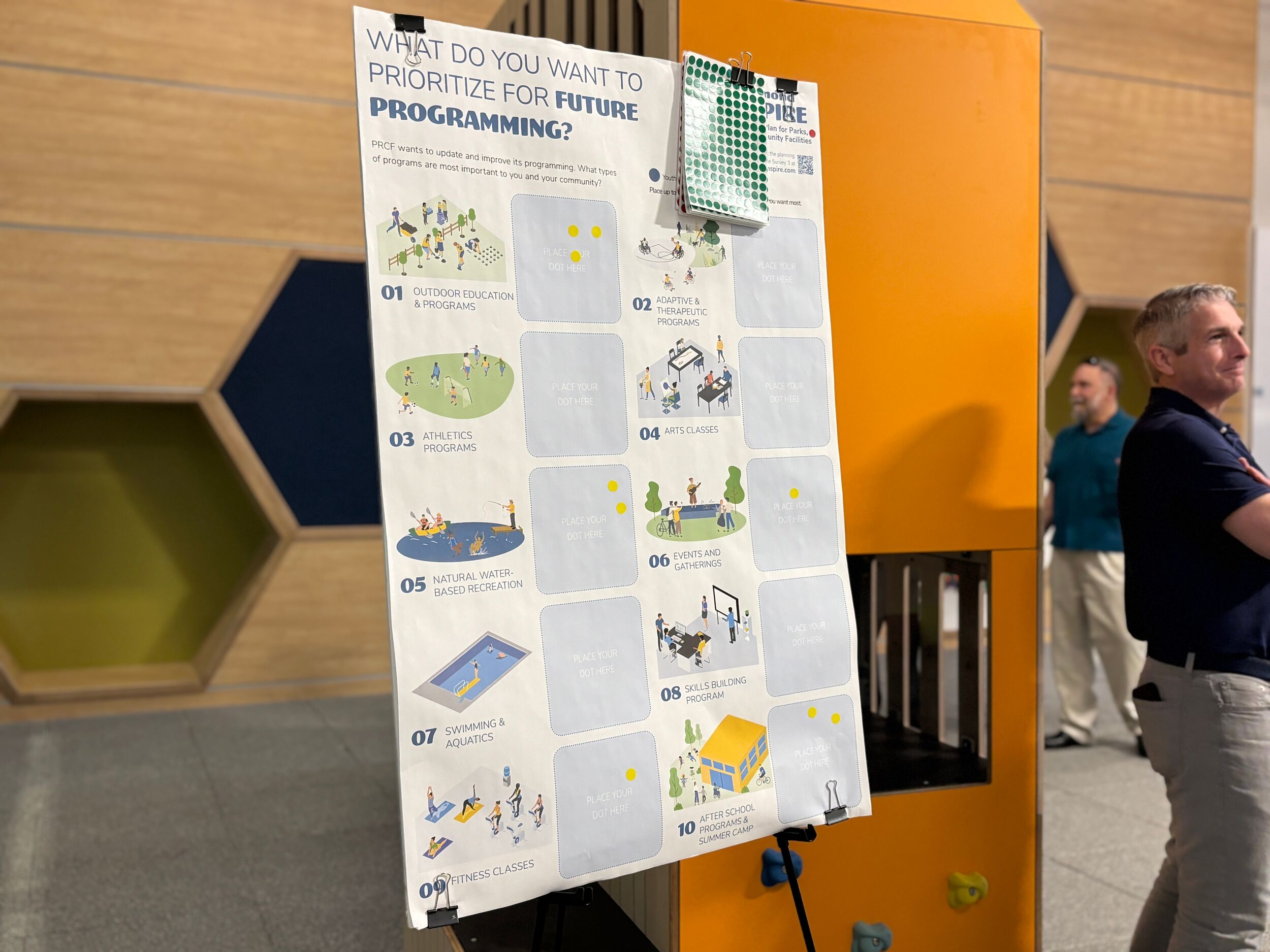
Community input is foundational to scalable park design. While classification systems provide structure, it’s ultimately the residents who define how parks are used and valued within the community. Different neighborhoods have different expectations. Some may need safe, walkable access to small everyday parks, while others may prioritize regional amenities, athletic programming, or natural open space. Engaging the community early and often helps ensure that parks at every scale align with local culture, demographics, and lifestyle.
Meaningful engagement also helps communities understand the tradeoffs inherent in park planning. Not every park can, or should, do everything. Scalable design allows stakeholders to see how smaller parks complement larger ones, how greenways extend access beyond park boundaries, and how investments in one area support the system as a whole. When residents understand this interconnected approach, they are more likely to support long‑term funding, land dedication, and phased implementation strategies that strengthen the entire park network.
System Planning and Site‑Scale Master Planning as Implementation Tools
Scalable park design weaves into planning at multiple levels. Parks and recreation system planning establishes the vision, policies, and level‑of‑service goals that guide where parks are located, what types are needed, and how they are distributed across a community. These system‑wide plans help localities identify gaps, respond to growth, and align park investment with land use, transportation, and environmental planning.
At the site level, park master planning translates those system goals into physical form. A neighborhood park master plan looks very different from a regional park master plan, but both are shaped by their role within the larger network. Site‑scale planning addresses layout, circulation, programming, phasing, and long‑term flexibility, ensuring that each park can evolve without losing sight of its intended scale and function. When system planning and site master planning are aligned, communities are better positioned to deliver parks that are both right‑sized today and adaptable tomorrow.
The Landscape Architect’s Role in Scalable Park Design
Landscape architects play a critical role in bridging policy, planning, and place. Our work sits at the intersection of community vision, environmental systems, and constructible design. In scalable park design, landscape architects help translate abstract classifications and planning goals into parks that feel intuitive, welcoming, and durable at every scale.
This includes understanding how materials, amenities, circulation, and maintenance strategies change as parks grow in size and complexity. It also means designing parks that work as part of a system, aligning trail networks, visual identity, ecological function, and user experience across multiple sites. Perhaps most importantly, landscape architects advocate for flexibility, ensuring that parks can respond to changing demographics, recreation trends, and climate conditions over time without losing their core purpose.
Why Scalable Park Design Matters
Scalable park design matters because communities are not static. Populations grow, needs change, and public resources are always finite. A scalable approach allows localities to invest wisely, delivering the right park in the right place, at the right time, while building toward a cohesive, resilient system.
When parks are planned and designed as an interconnected network rather than isolated projects, they extend beyond recreation to support public health, environmental stewardship, economic development, and intergenerational social connection. In that sense, scalable park design is not just a technical framework but a long‑term commitment to creating places that grow with their communities and continue to serve them well into the future.