With Virginia serving as the world’s largest data center market, Timmons Group has developed deep experience supporting the growth of this industry. Throughout, our work has focused on identifying, vetting, and certifying sites that meet the complex requirements of data center projects.
As economic development and site selection professionals, with an insider’s view into how these projects have become basic technology infrastructure, we’d like to offer the following four perspectives on how data centers are shaping both municipalities and regional economic development efforts:
- Data centers are fundamentally necessary for everyday life.
- Data centers can be significant revenue generators, especially for rural localities.
- Access to energy and critical infrastructure drives project success.
- Data centers create both direct and indirect jobs.
Below, we’ll expand on each of these thoughts in more detail.
1. Data Centers are Fundamental for Everyday Life
While communities are increasingly engaged in discussions around data center development, the ongoing use of smartphones, streaming services, and digital applications indicates that the demand for data centers is unlikely to slow in the near term.
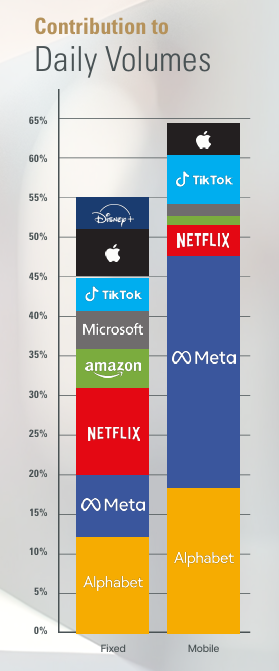
According to AppLogic Networks’ 2025 Global Internet Phenomena Report, social media, streaming services, and other apps make up approximately 55% of all internet traffic for fixed devices, and up to 64% for mobile devices.
Major platforms—including Netflix, Meta (Facebook), Alphabet (Google), Amazon, TikTok, Microsoft, Apple, and Disney—can individually account for anywhere from 2% to 24% of daily internet traffic. Similarly, AI chatbots are starting to consume more bandwidth, but still have a long way to go to catch up to social media and streaming apps in terms of data needs.
While consumer apps make up a majority of publicly accessible traffic, these figures still fail to account for critical data tied to education, medical, business, national defense, financial, and other essential services that support everyday life from behind the scenes.
In sum, from social media, streaming, and chatbots to the systems that support critical public and private services, these markets increasingly rely on data centers as the backbone of a data-driven economy.
2. Data Centers can be Transformational Revenue Drivers
Data centers can be transformational, especially for smaller, more rural communities.
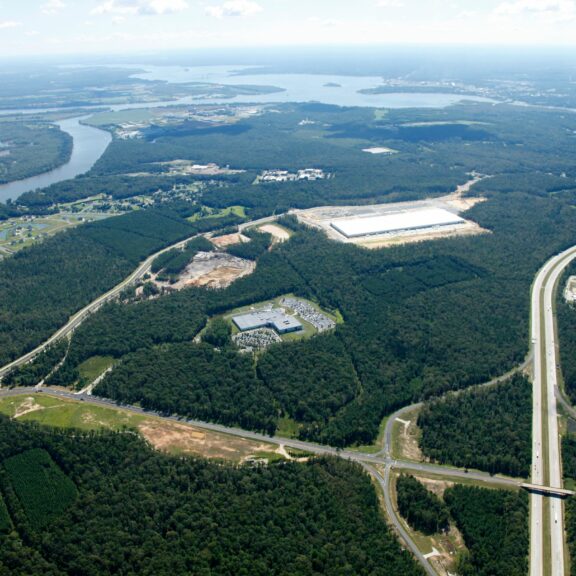
For example, Prince Edward County, Virginia, has a 280-acre data center site, the Heartland Innovative Technology Park (HIT Park), located at the intersection of 230 kV and 115 kV transmission lines with a 6 MGD Sandy River Reservoir nearby.
Based on an economic impact study completed in July 2023 by Mangum Economics, this site could support up to a $5.2 billion investment, with potential annual tax revenue exceeding $20 million. Given that Prince Edward County’s FY26 budget was $78 million, the HIT Park, once fully developed, could generate up to 15–20% of total annual revenue.
Further, Prince Edward County comprises 354 square miles, while the 280-acre site represents only 0.12% of the total land area.
In Prince Edward’s case, dedicating just 0.12% of total land area to a project with the potential to generate 15–20% of annual revenue meaningfully shifts the County’s financial position, supporting critical investments while helping maintain lower tax burdens for residents.
As a second example, in Mecklenburg County, Virginia, where a large data center provider has made a significant investment starting in 2011, the County completed construction of a state-of-the-art, 347,000 square foot middle and high school complex in 2022 for approximately $128 million, largely due to tax revenue derived from these projects.
In both of these cases, data centers create significant revenue potential for the counties that can be passed on to residents through infrastructure improvements, lower taxes, and opportunities for further economic development.
3. Critical Infrastructure is the Gatekeeper
In 2013, a client contracted Timmons Group to develop one of the first Data Center Site Certification programs in the country. Together, we worked to identify key infrastructure and site features that were fundamentally necessary to the development of a new data center.
These features included access to major infrastructure elements such as the presence of electrical transmission lines, access to fiber networks, and the availability of water for cooling, while minimizing site development issues.
While these fundamentals remain critical to project success, the increased demand for Generative AI is significantly ramping up processing speed and energy consumption.
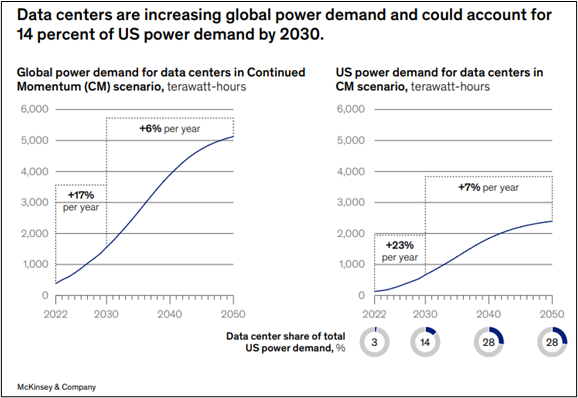
Based on McKinsey & Company’s Global Energy Perspective 2025, data centers could account for 14% of U.S. power demand by 2030, and up to 28% by 2040.
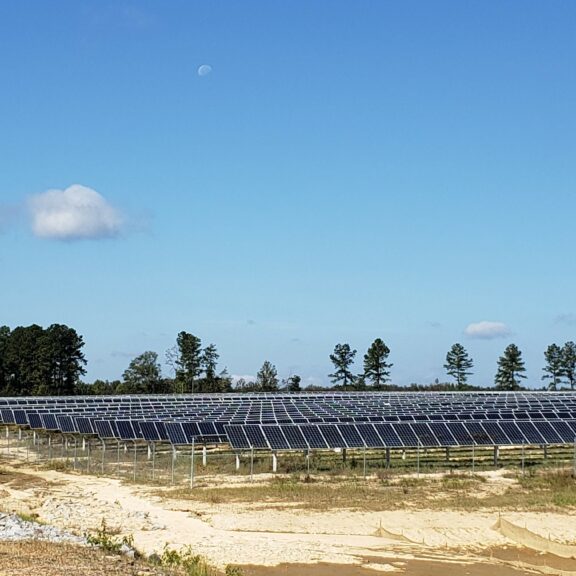
As demand increases, power access and on-site generation are emerging as key challenges the industry will need to tackle. Many stakeholders are exploring reliable and clean energy sources, including solar, to help meet growing demand.
As a result, sites with access to water, natural gas, and alternative energy sources will become increasingly competitive—particularly large-acreage sites that can support a more integrated data center “ecosystem” while minimizing impacts on surrounding communities.
4. Job Creation—Both Direct and Indirect
According to a PwC report issued in April 2025, data centers provide a 6x multiplier of indirect and induced jobs for every direct job created.
These jobs are usually high-paying “blue collar” trades and skilled labor jobs, such as electrical technicians, HVAC technicians, and IT professionals.
In addition, there is a substantial volume of construction and supply chain employment that persists across multiple development cycles. This includes material suppliers, contractors, equipment manufacturers, telecommunications providers, engineering firms, and IT infrastructure companies.
It is entirely conceivable that a recent high school graduate could attend trade school, enter the field at age 19 or 20, and build a 30+ year career in the data center industry.
Balancing Growth with Community Priorities
As we continue to work with local, regional, and state organizations to identify and develop sites with the “highest probability of success”, we will always be respectful of what a community wants, or doesn’t want, from an economic development perspective.
Effective economic development policy requires balancing long-term economic benefits with environmental stewardship and community impact.
By understanding these four key factors, municipalities can better evaluate data center opportunities and make informed decisions that align with both economic goals and community priorities.