Managing risk is one of the most critical elements in any data center project. While many teams focus on speed, scale, and capacity, experienced project leaders recognize that long-term success depends on how effectively risks are identified, evaluated, and managed from the outset.
Risk management is not a one-time exercise; it’s an ongoing discipline that enables better decision-making, protects project timelines, and ensures greater cost certainty across the full lifecycle of development.
The Role of Risk Management in Enabling Project Success
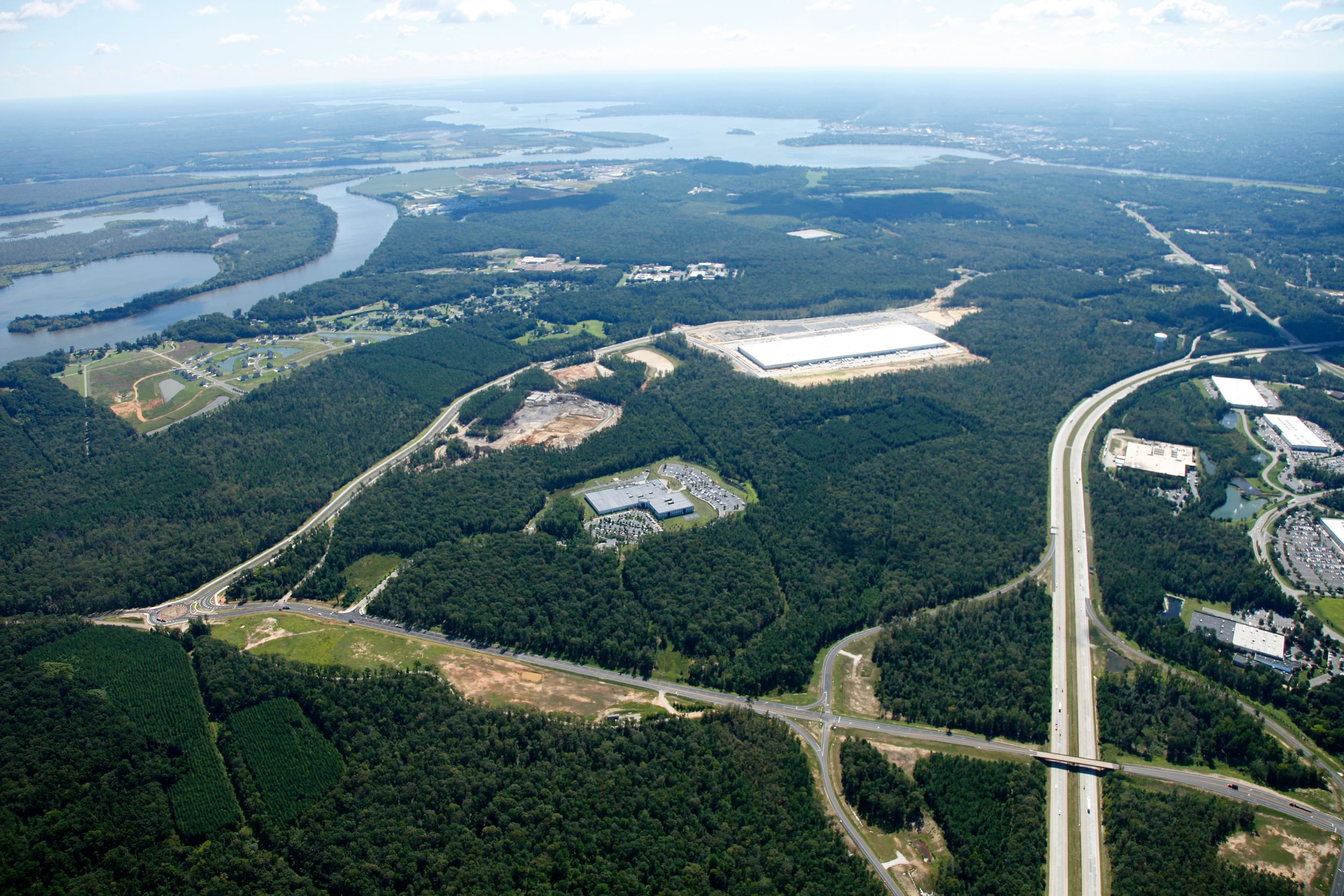
An example of a Hyperscale Multiple Phase Data Center Campus in Chesterfield County, VA.
Data center projects are inherently complex, with multiple variables that can introduce uncertainty at any stage. A structured approach to risk management helps teams anticipate challenges rather than react to them.
When we engage with clients on new data center projects, we develop a Risk Matrix that identifies the known risks, clarifies who on the team is responsible for managing that risk, outlines the strategies for overcoming any potential challenges, and explains the consequences should a calculated risk not pay off.
What happens if a permit falls through? What improvements need to happen to surrounding infrastructure to make a project viable? How long will the project take, and does the team have the capacity to meet key deadlines?
Are the consequences time, money, or worse, and does the risk jeopardize the viability of the project as a whole? Data center project risks generally fall into a few general categories:
- Entitlements – Do we have the legal authority to build the project as imagined?
- Off-Site Improvements – Does local infrastructure have the capacity to comfortably handle the needs of the data center without impacting local communities?
- Permitting – How quickly can we obtain the necessary permits, and do we have the experts needed to obtain them?
- Community Engagement – Do we have a plan in place to connect with local leaders and mitigate impact on the surrounding community?
- Success Metrics – Does the team have clarity on what project success looks like, and what it will take to get there?
While there are many more factors to consider when tackling a data center project, success in these five key areas will set the project off on the right foot and improve the team’s ability to meet key deadlines and budget goals in later phases.
1. Entitlements: Managing Regulatory Risk
Regulatory and entitlement risks are often underestimated but can have significant impacts on schedule and feasibility.
Zoning requirements, land use approvals, and evolving local regulations can introduce delays or necessitate design changes. These risks should be clearly understood early, with defined strategies for navigating approval pathways and managing potential setbacks.
Understanding what’s allowed—and what it will take to get there—is critical to streamlining the approval process.
Just as important is timing. Entitlement processes are becoming more challenging as time goes on, even as clients expect faster delivery.
That tension needs to be addressed upfront, not later, to ensure projects are delivered on time and within the expected budget.
2. Utilities and Off-Site Improvements
Infrastructure capacity is one of the most significant risk factors in data center development.
Hyperscale facilities can require 100+ MW of continuous power, making utility coordination and local involvement critical parts of the project’s success.
Beyond power, teams need to evaluate:
- Water and sewer access
- Fiber connectivity
- Road and transportation improvements
Each of these factors may require separate approvals, coordination, and/or targeted investments in building out local infrastructure to support the data center once it goes online.
In many cases, these off-site improvements can function as standalone projects themselves—with their own risks, timelines, and stakeholders (often the county or locality where the data center is being built).
3. Permitting Paths and Timelines
Permitting for large data center projects is rarely straightforward. Teams need to understand how different agencies, local requirements, and timelines all work together to ensure project success.
Often, developing a Permitting Matrix that outlines the required permits, identifies the authority having jurisdiction (AHJ), details the permitting fees, and lays out who on the design team is responsible for securing the permit will help guide the project’s initial phases and add structure to the process.
Uncertainty in permitting timelines is a major source of project risk. Establishing realistic expectations and building schedule contingencies is essential to avoiding downstream disruption.
4. Local Knowledge Matters
Even experienced development teams can encounter challenges when operating in unfamiliar jurisdictions.
Local regulations, political dynamics, and community priorities can significantly influence project outcomes. Without a clear understanding of these factors, projects are more vulnerable to delays, opposition, or unexpected requirements.
Understanding those local dynamics and engaging with the community early in the planning process can significantly reduce risk and improve outcomes for everyone involved.
5. Find Alignment in What Success Looks Like
Not every project defines success in the same way.
While schedule and budget are always important, other factors such as community commitments, environmental considerations, or stakeholder expectations increasingly influence decisions.
For example, I remember a project where a commitment was made to the community about saving a stand of trees, but this information was never documented in entitlement conditions. That information became critical to the success of the project and was nearly overlooked in the planning process because it wasn’t properly documented and communicated as a key aspect of the project’s success.
These variables should be identified and understood early in the process during site selection, not discovered later.
Establishing clear, shared success criteria early ensures alignment and reduces the likelihood of costly surprises down the road.
Data Center Projects Coordinate Competing Perspectives to Reduce Risk
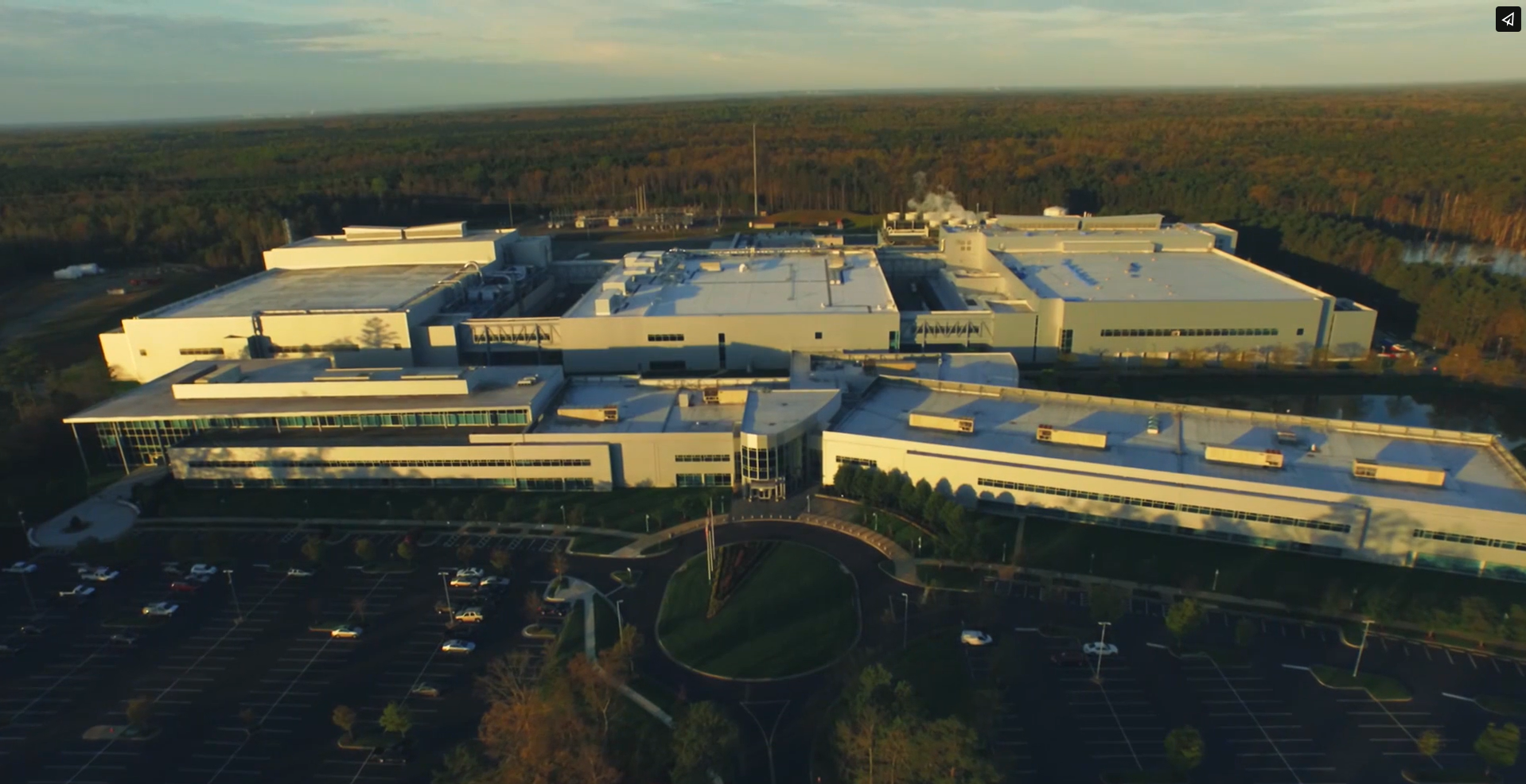
This site in Richmond, VA was transformed from a semiconductor manufacturing center into a cutting-edge data center with dual-feed power systems and robust water and sewer capabilities.
Effective risk management requires continuous coordination across disciplines, stakeholders, and project phases.
The most successful teams are those that:
- Identify risks early
- Assign clear ownership
- Maintain visibility into evolving challenges
- Adapt strategies as conditions change
By embedding risk management into every stage of the project, teams can improve predictability, protect investments, and deliver more consistent outcomes.
In this way, success comes to those who ask questions early, identify risks upfront, and stay aligned with both project goals, community needs, and local realities.
That foundation makes everything that follows both more predictable and more successful.