In recognition of Endangered Species Day, it’s a timely reminder that understanding protected species habitat early in the planning process can play a major role in reducing project risk and avoiding permitting delays, while also supporting long-term environmental stewardship.
With the optimal survey window for rough-leaved loosestrife (Lysimachia asperulaefolia) beginning in mid-May and continuing through June, now is the critical time for field identification efforts across portions of North and South Carolina.
The U.S. Fish & Wildlife Service categorizes rough-leaved loosestrife as a federally endangered native perennial plant. Typically growing 1–2 feet tall, the species has triangular leaves arranged in whorls of three or four around the stem, with only a small number of plants in a population producing small yellow flowers.
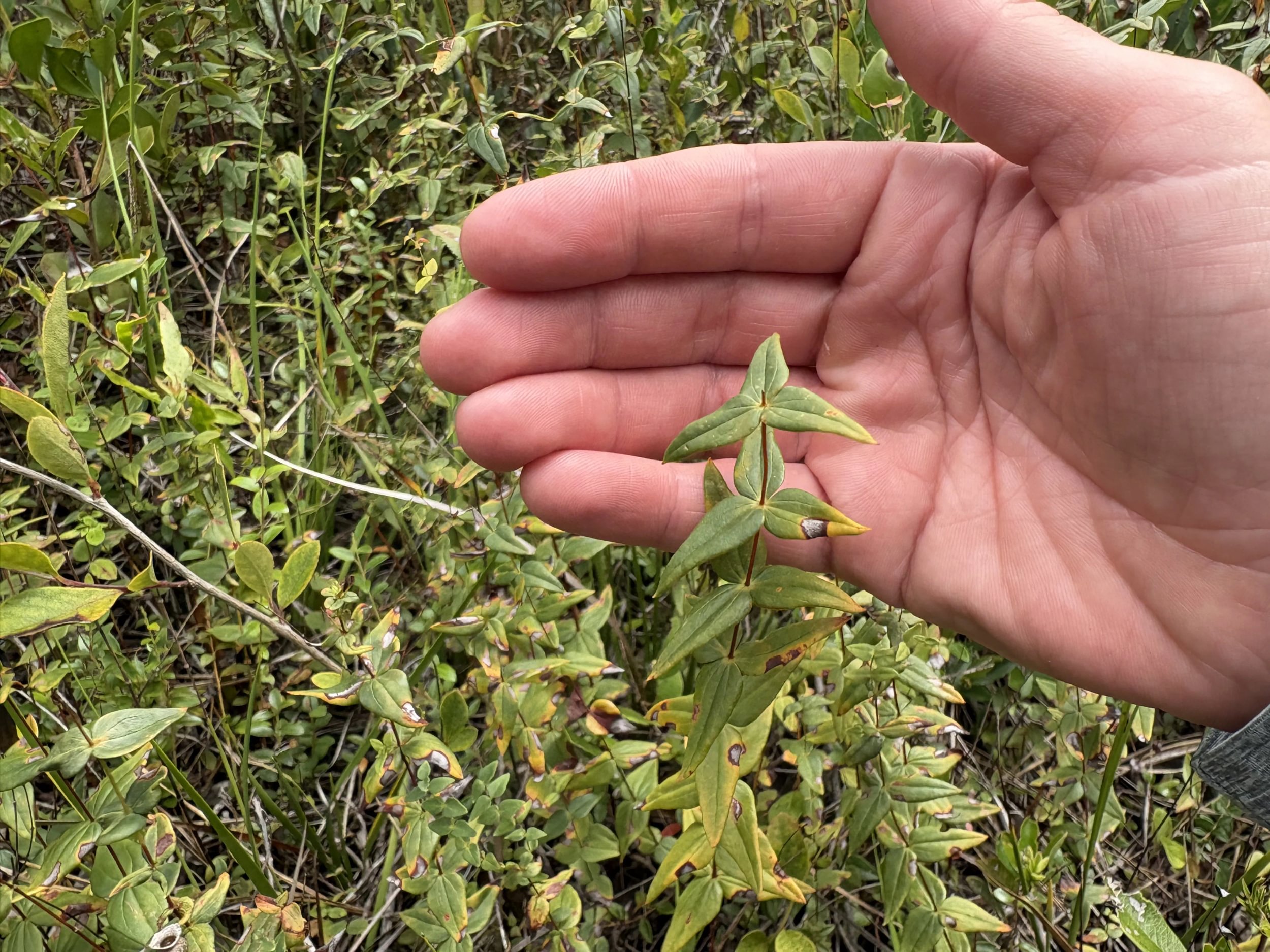
Found only in select parts of the Carolinas, this species depends on open, sunny habitats with moist sandy or peaty soils. Fire suppression and infrequent fires have resulted in habitat loss and remain among the most significant threats to the species.
Today, populations are often found in the ecotones between open longleaf pine uplands and shrubby pond pine wetlands, as well as maintained roadsides, utility corridors, and drainage ditches. Since many of these environments overlap with infrastructure and land development activity, early environmental screening and seasonal surveys are essential for project planning and regulatory coordination.
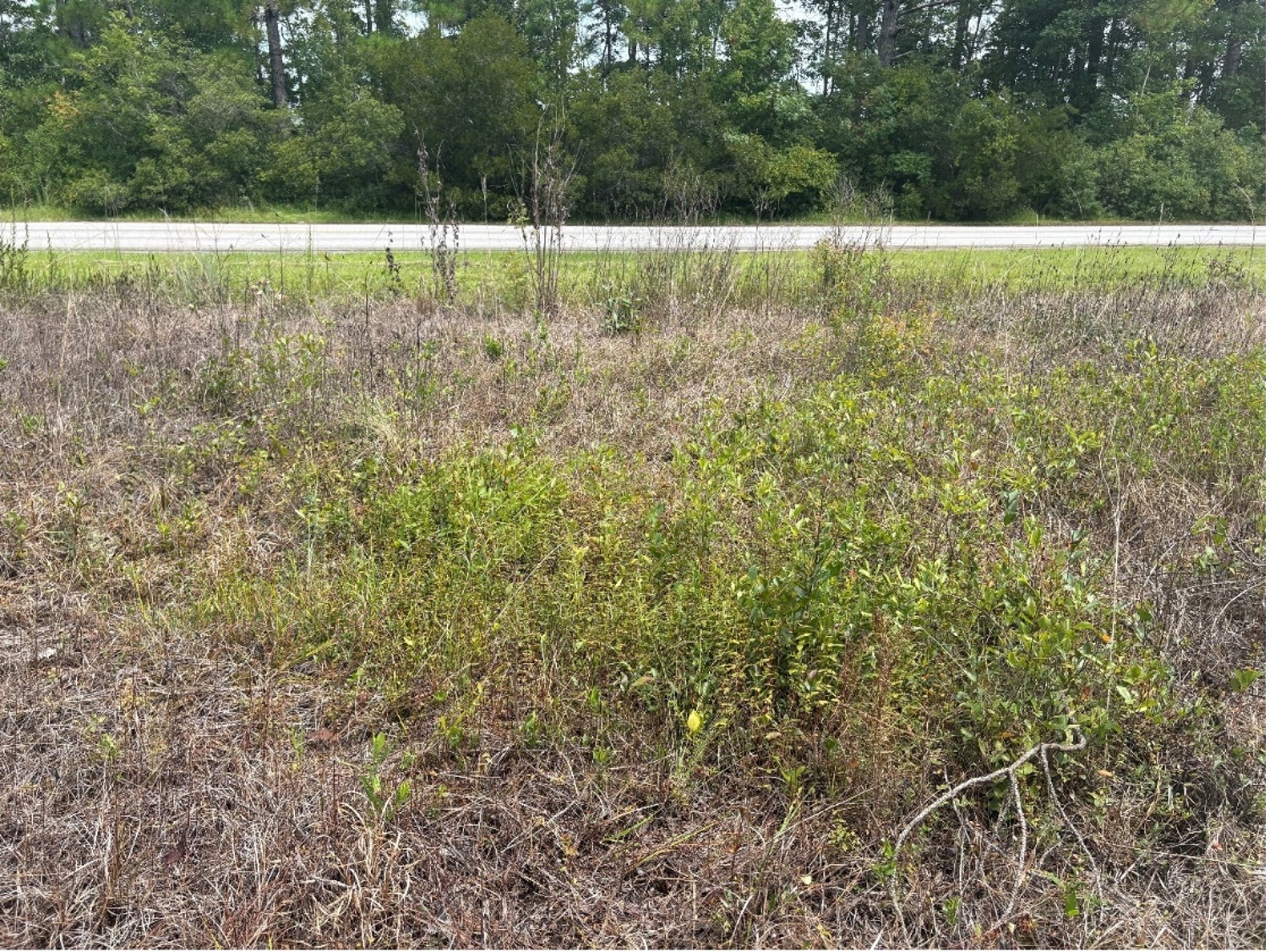
In North Carolina, rough-leaved loosestrife has been documented in several Coastal Plain and Sandhills counties, including Bladen, Brunswick, Carteret, Cumberland, Harnett, Hoke, New Hanover, Onslow, Pamlico, Pender, Richmond, and Scotland counties.
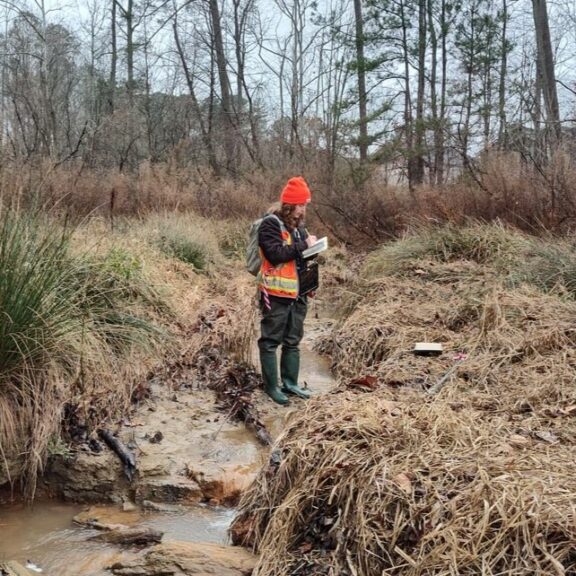
Timmons Group regularly conducts protected plant surveys throughout southeastern North Carolina and has extensive experience identifying rough-leaved loosestrife and its habitat. In addition to rough-leaved loosestrife, our teams commonly survey for other protected species in the region, including Michaux’s sumac, Cooley’s meadowrue, pondberry, and golden sedge, as well as additional species elsewhere in the state, such as smooth coneflower, Schweinitz’s sunflower, and small whorled pogonia.
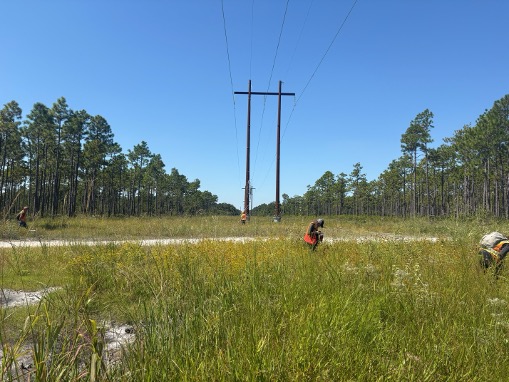
As seasonal survey windows open across the Southeast, proactive coordination between environmental scientists, planners, engineers, and developers remains one of the most effective ways to balance project timelines with conservation goals.