For more than a century, the Blackwell community has played an important role in the history and culture of Richmond’s Southside. Like many historically Black neighborhoods, it has faced ongoing challenges related to access, infrastructure investment, and public amenities. The Blackwell Park Improvements Project represents a meaningful step toward addressing those challenges through a collaborative, community-driven approach to park planning and design.
Timmons Group supported the City of Richmond and local partners in transforming Blackwell Park from an aging recreational space into a more resilient, accessible, and environmentally conscious community asset, guided by resident input throughout the planning and design process.
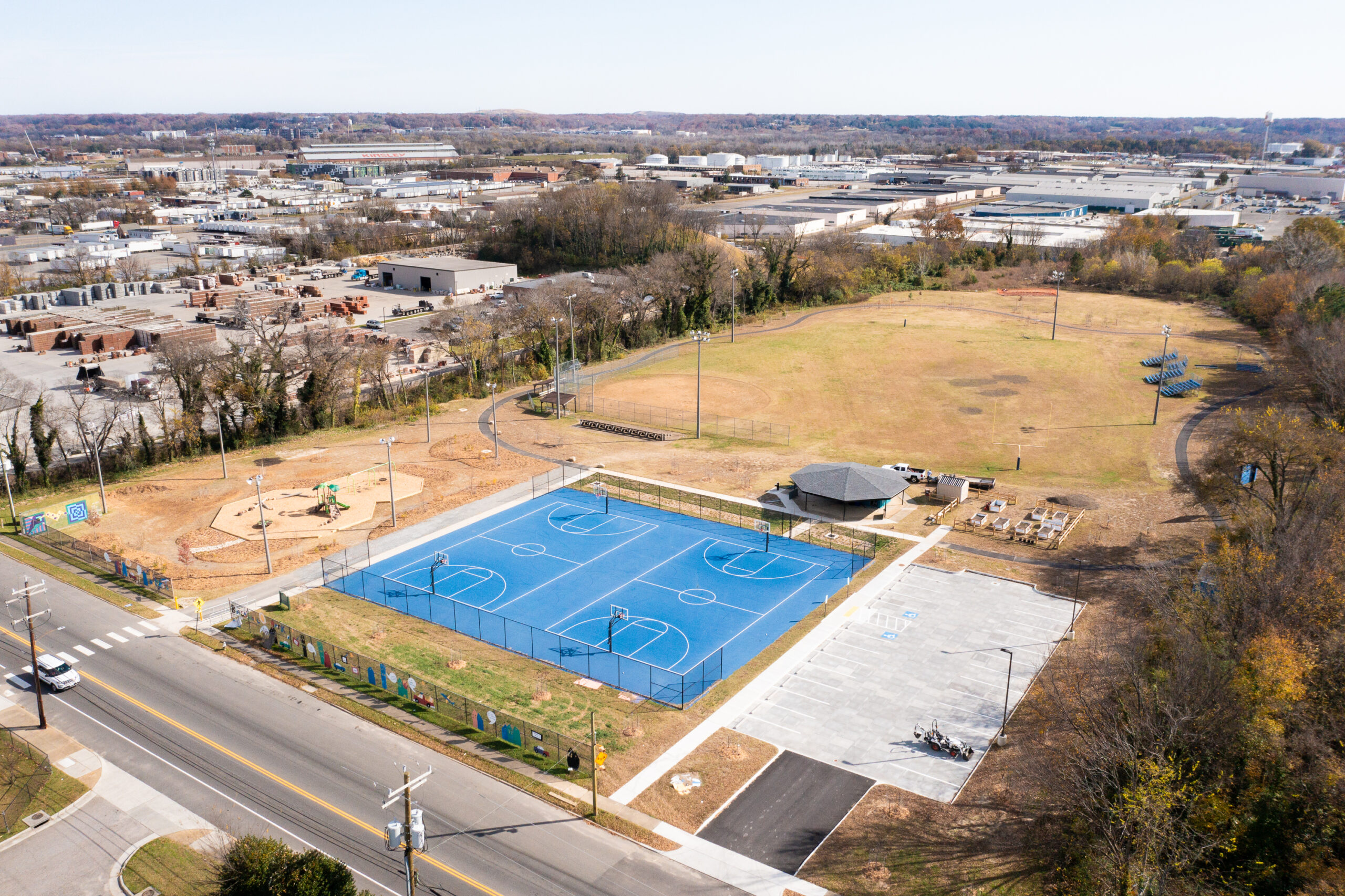
Historical Context: Blackwell Historic District
Established in the late 1800s, Blackwell is one of Richmond’s oldest neighborhoods and a historically significant community within Southside Richmond. Originally part of the independent City of Manchester, annexed by the City of Richmond in 1910 and 1914, Blackwell was a largely self-sustaining neighborhood supported by a strong network of Black-owned businesses, churches, schools, and civic institutions.
Today, the neighborhood is recognized as the Blackwell Historic District, encompassing approximately 102 acres and consisting of 584 buildings that reflect a range of late 19th- and early 20th-century architectural styles. The district’s historic and cultural significance was formally acknowledged with its listing on the Virginia Landmarks Register in 2018, followed by inclusion on the National Register of Historic Places in 2019.
Despite its historic importance and strong community identity, Blackwell has experienced periods of disinvestment that have hindered access to quality public amenities and infrastructure. Throughout that history, residents have consistently advocated for improvements that enhance safety, recreation, and overall quality of life.
That sustained advocacy directly informed reinvestment in Blackwell Park, a centrally located green space serving both the surrounding neighborhood and the adjacent Blackwell Community Center. The park’s revitalization reflects Blackwell’s long-standing tradition of community-led progress.
Rehabilitation to Master Planning: Blackwell Park Improvements
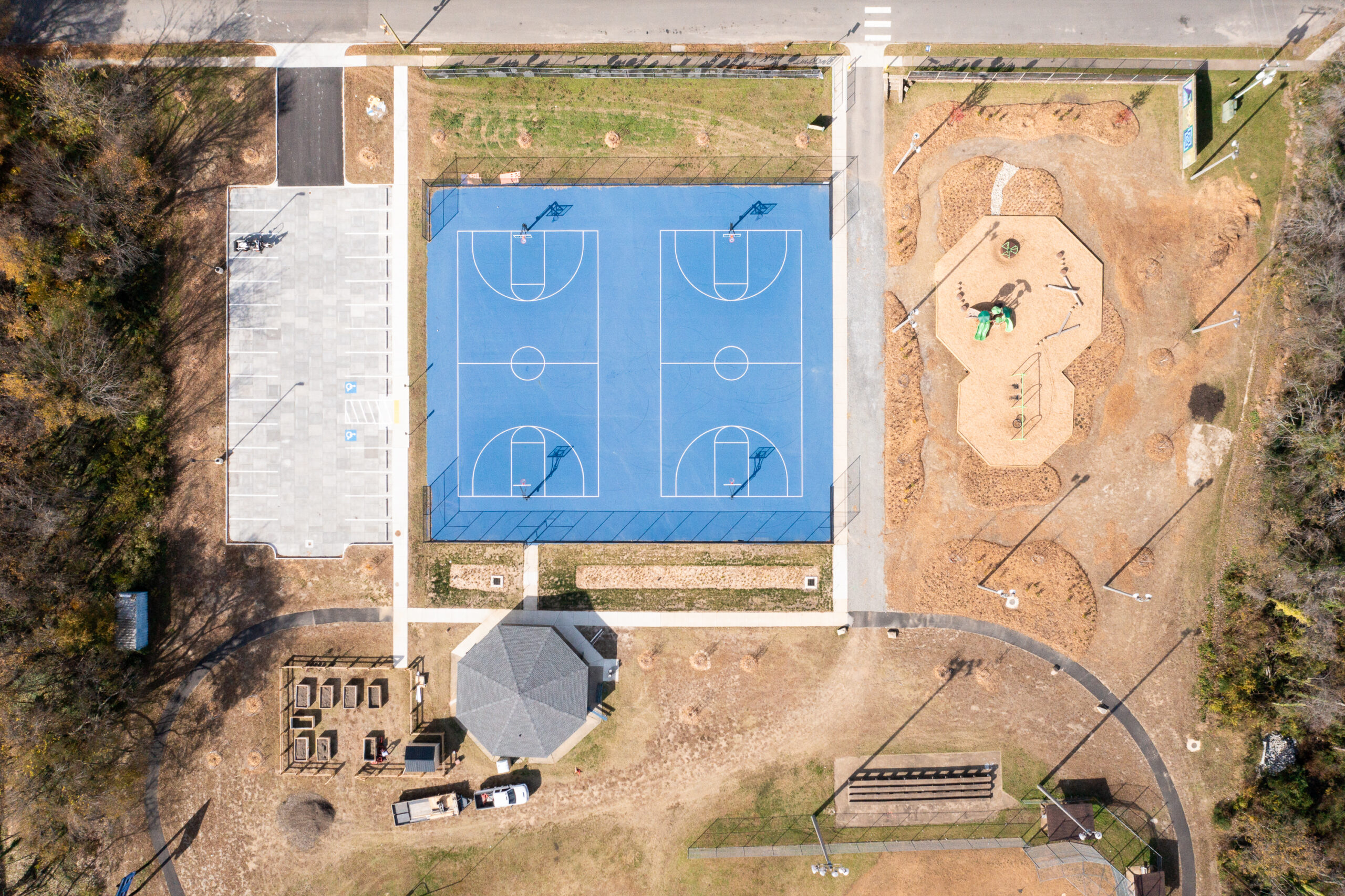
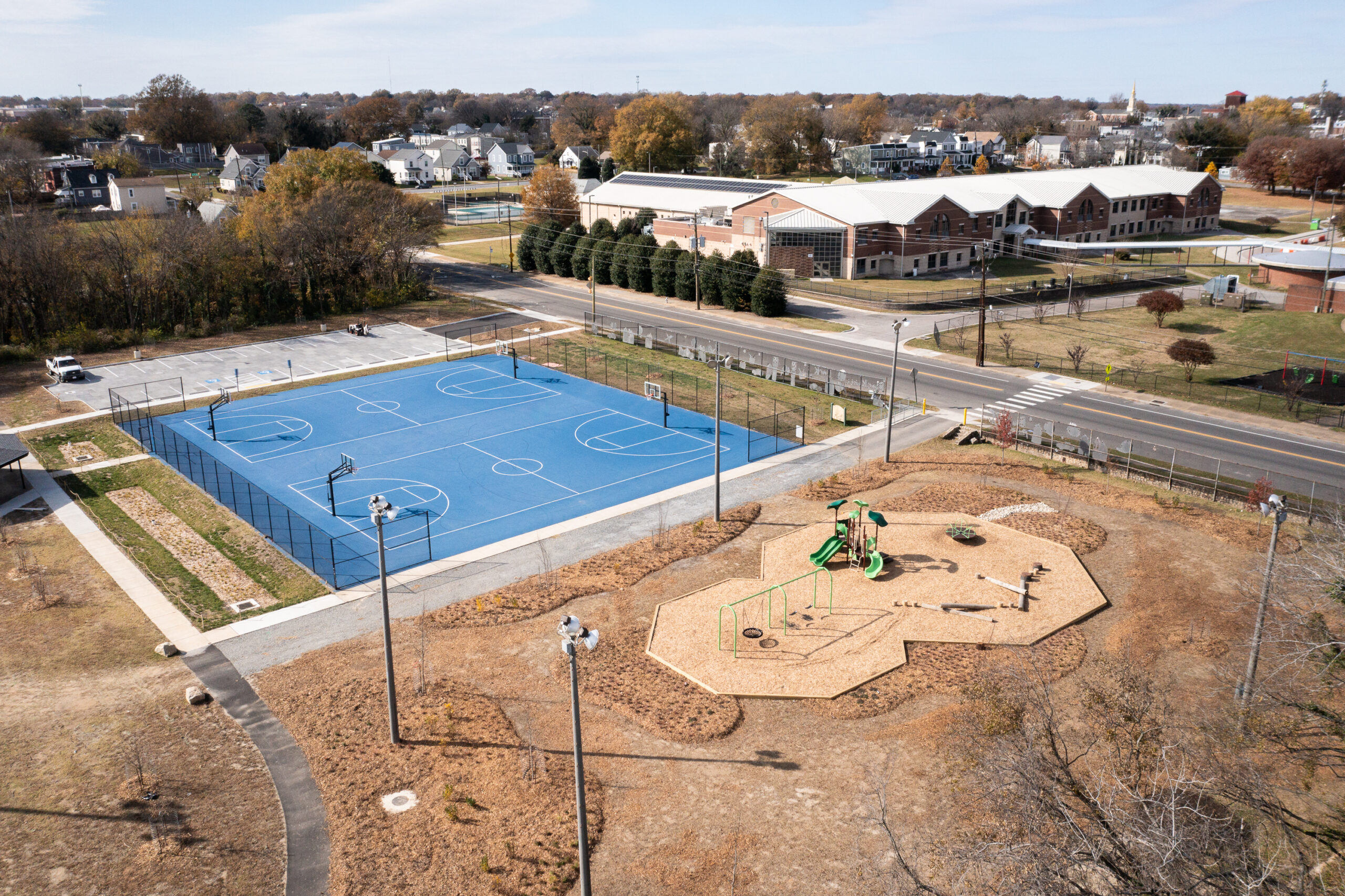
The project began with the rehabilitation of an existing basketball court that had deteriorated beyond safe use. Due to the park’s location on a former landfill, rehabilitation required significant structural considerations. The project team reconstructed the court with an enhanced subsurface design that incorporated 18 inches of compaction stone, far exceeding typical standards to ensure long-term stability and performance. For comparison, an average basketball court typically requires around four inches of compaction stone.
This initial improvement served as the catalyst for a broader vision. Following the court’s completion, the City of Richmond and Parks staff initiated a series of outreach efforts to better understand how residents envisioned the future of the park. Desired amenities included walking trails, playgrounds, fitness areas, improved sports fields, and safer access and parking.
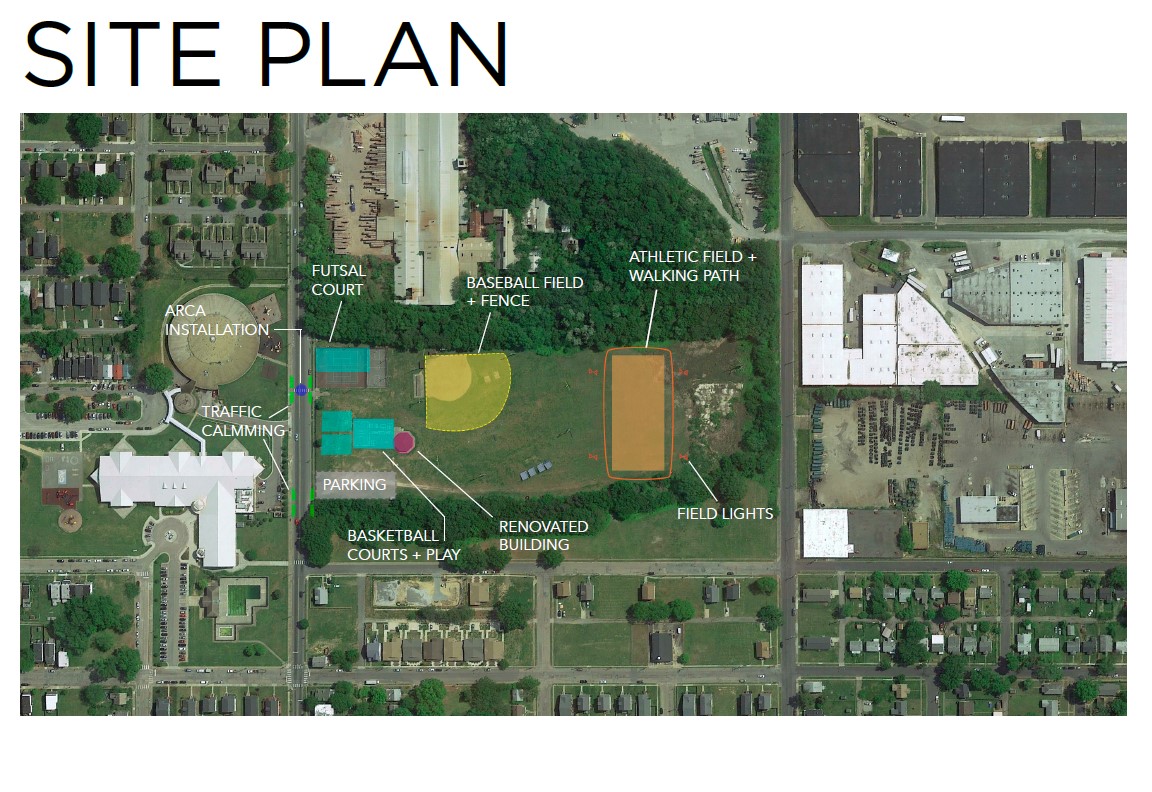
In response, Timmons Group’s Landscape Architecture team developed a conceptual master plan to explore the park’s long-term potential. The plan integrated recreational features with stormwater best management practices (BMPs), including permeable pavement, bioretention features, and native meadow plantings, to reduce runoff, improve infiltration, and enhance water quality. Design concepts also addressed safety concerns along Maury Street by proposing a new parking area set back from heavy industrial traffic.
As planning advanced, the team worked through site-specific constraints related to wetlands, streams, poor soils, and environmentally sensitive areas. These conditions required strategic placement of amenities and refinement of the master plan to balance feasibility, environmental protection, and community priorities. To support this effort, Timmons Group provided civil engineering, land development, permitting and bidding assistance, and construction administration services, guiding the project from concept to reality.
Community Outreach Initiatives
Community engagement remained central throughout the project’s evolution, with the team actively supporting outreach efforts beyond the formal scope of work.
Multiple public meetings were held over several years to present concepts, gather feedback, and explain how technical, environmental, and funding constraints influenced design decisions. This transparent process helped ensure final improvements reflected both community priorities and responsible land-use practices.
When portions of the original master plan required adjustment due to funding eligibility, the team worked collaboratively with residents and stakeholders to restructure and phase the project. The implemented improvements included a permeable parking lot, a nature-based playground, a walking trail, a community garden, as well as pollinator meadows, tree planting, and reforestation.
This engagement helped align community expectations with practical solutions that supported recreation, environmental stewardship, and long-term park sustainability.
Partnerships for Progress
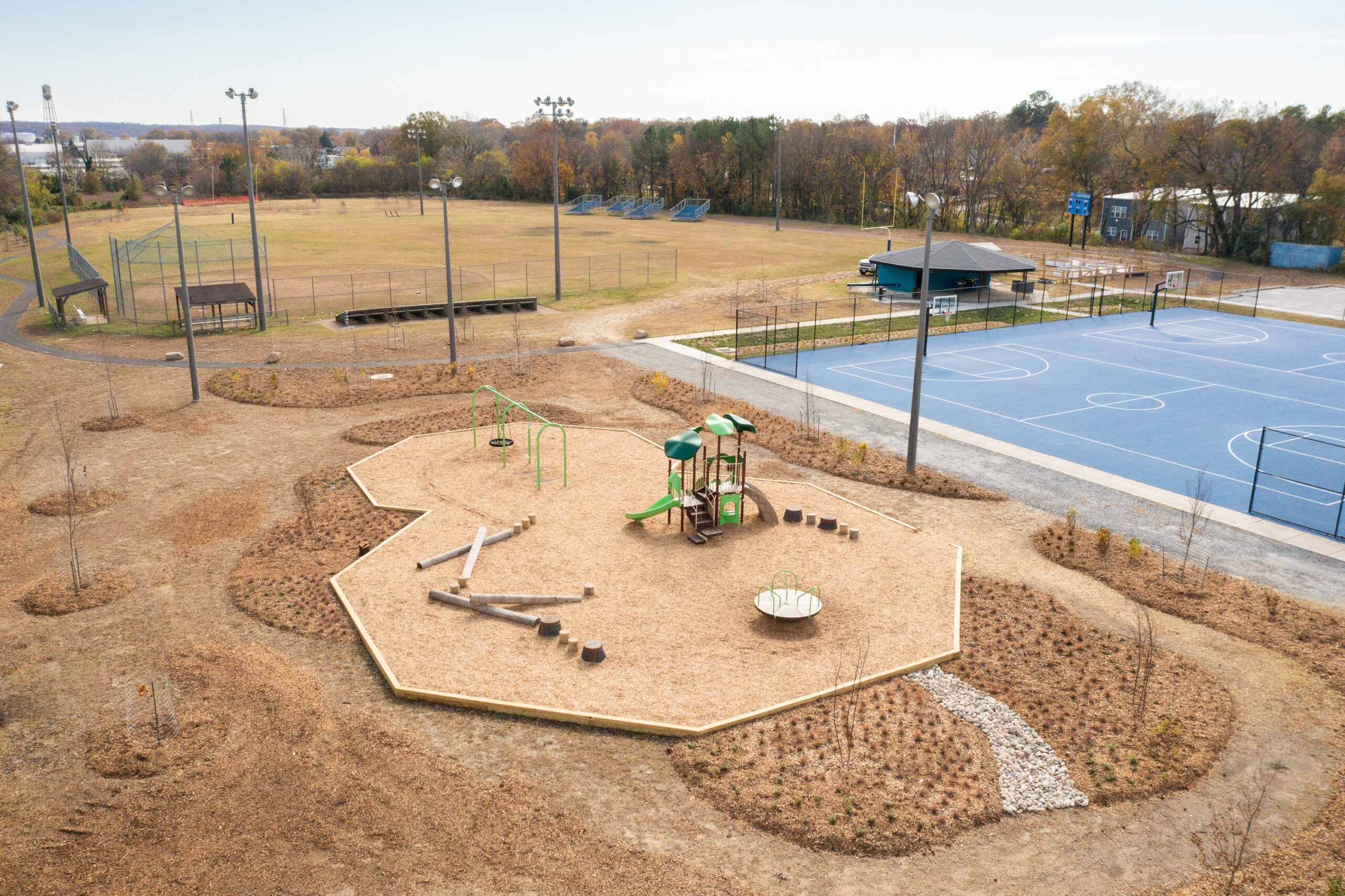
To help achieve the community’s vision, the Blackwell Park Improvements Project relied on close collaboration among numerous public agencies and nonprofit organizations, including:
- Alliance for the Chesapeake Bay
- Southside ReLeaf
- City of Richmond Department of Public Utilities
- City of Richmond Parks, Recreation, and Community Facilities
- City of Richmond Office of Sustainability
In particular, the Alliance for the Chesapeake Bay played a key role in supporting grant coordination and funding strategy, helping advance stormwater-focused elements of the project through the National Fish and Wildlife Foundation’s Chesapeake Bay Stewardship Fund.
This partnership enabled green infrastructure solutions that may not have been achievable through capital funding alone, highlighting the significance of this collaborative approach.
The Importance of Community-Centered Projects
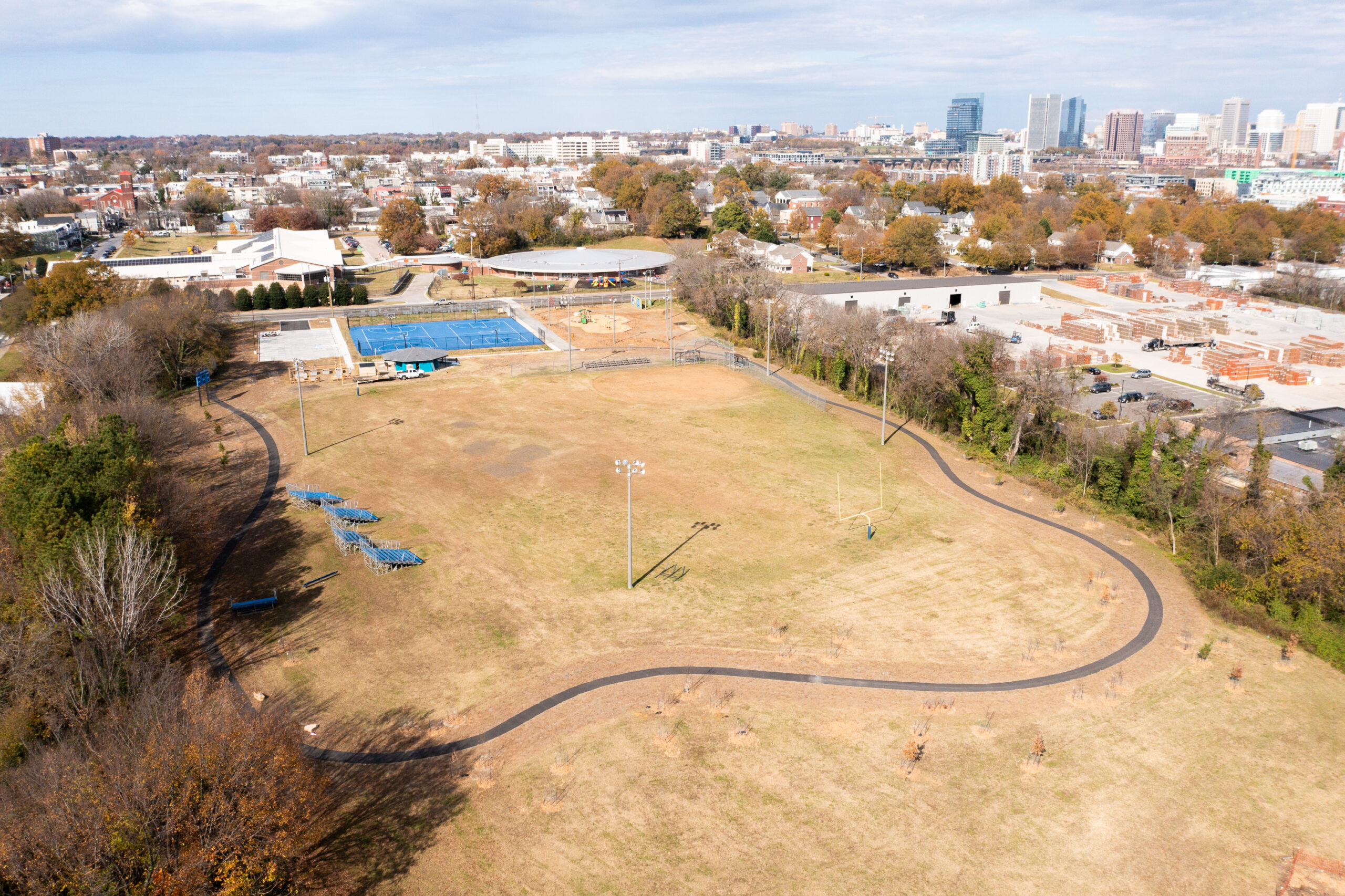
Completed in November 2025, the Blackwell Improvements Project demonstrates how a planning and design process informed by community engagement can translate local priorities into actionable outcomes. Early and ongoing outreach ensured transparency and helped guide a long-term vision that reflects the needs of those it serves.
Equally important was the coordination among public agencies, nonprofit organizations, and technical consultants, which supported regulatory navigation, grant funding, and the implementation of resilient infrastructure.
Together, these efforts resulted in a reinvestment approach that delivered meaningful progress and lasting improvements to a historically underserved neighborhood.