At Timmons Group, environmental consulting isn’t just about basic compliance, but about providing clients with clear, technical insights they need to keep projects moving forward by proactively identifying potential risks and navigating the permitting process efficiently.
To learn more, we recently sat down with Amanda Johnson, an environmental project manager in our Raleigh and Wilmington offices, who plays a key role in this process. Amanda helps manage field staff, oversees quality assurance and quality control (QAQC) for environmental work, and supports a range of projects that benefit both clients and communities, all while serving as a point of contact with regulatory agencies on behalf of clients. She also stays hands-on in the field, providing assistance and technical guidance when needed.

“Our main role as environmental consultants is to provide clients with the best project possible while making sure they’re in compliance with changing environmental regulations,” Amanda says. “We’re the technical go-between, providing the data and recommendations that inform smarter project design and reduce risks that could affect cost, schedule, and permitting.”
The North Carolina environmental team provides a wide range of services that support land development, including wetland and stream delineations and functional assessments, environmental permitting, protected species habitat assessments, protected plant species surveys, tree inventories, preliminary cultural and historic resource reviews, Phase I Environmental Site Assessments (ESA), and erosion and sediment control inspections. By offering these services throughout the project lifecycle, the team helps clients understand site constraints and regulatory requirements that can affect everything from design alignment to permitting timelines and compliance.
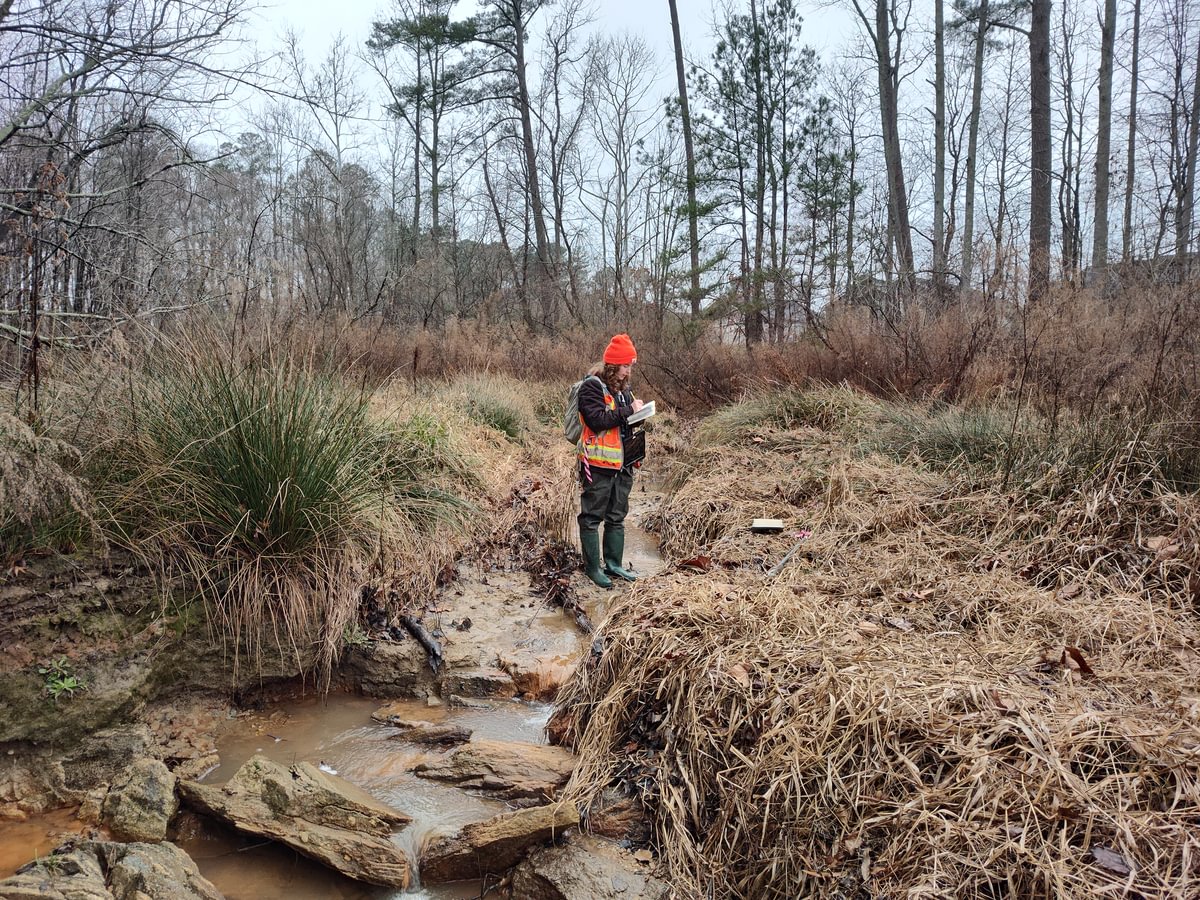
According to Amanda, early-stage environmental work is critical. “When you assess environmental aspects early, it informs the design in practical ways. For example, we can show our engineers areas where they can expand the design or areas they should avoid,” she says. This approach also helps with the permitting process. For projects where protected species might be present, agencies like the U.S. Fish and Wildlife Service may require specialized surveys that can only be conducted during certain times of the year, so identifying these needs early helps clients plan realistic project timelines and avoid costly surprises.
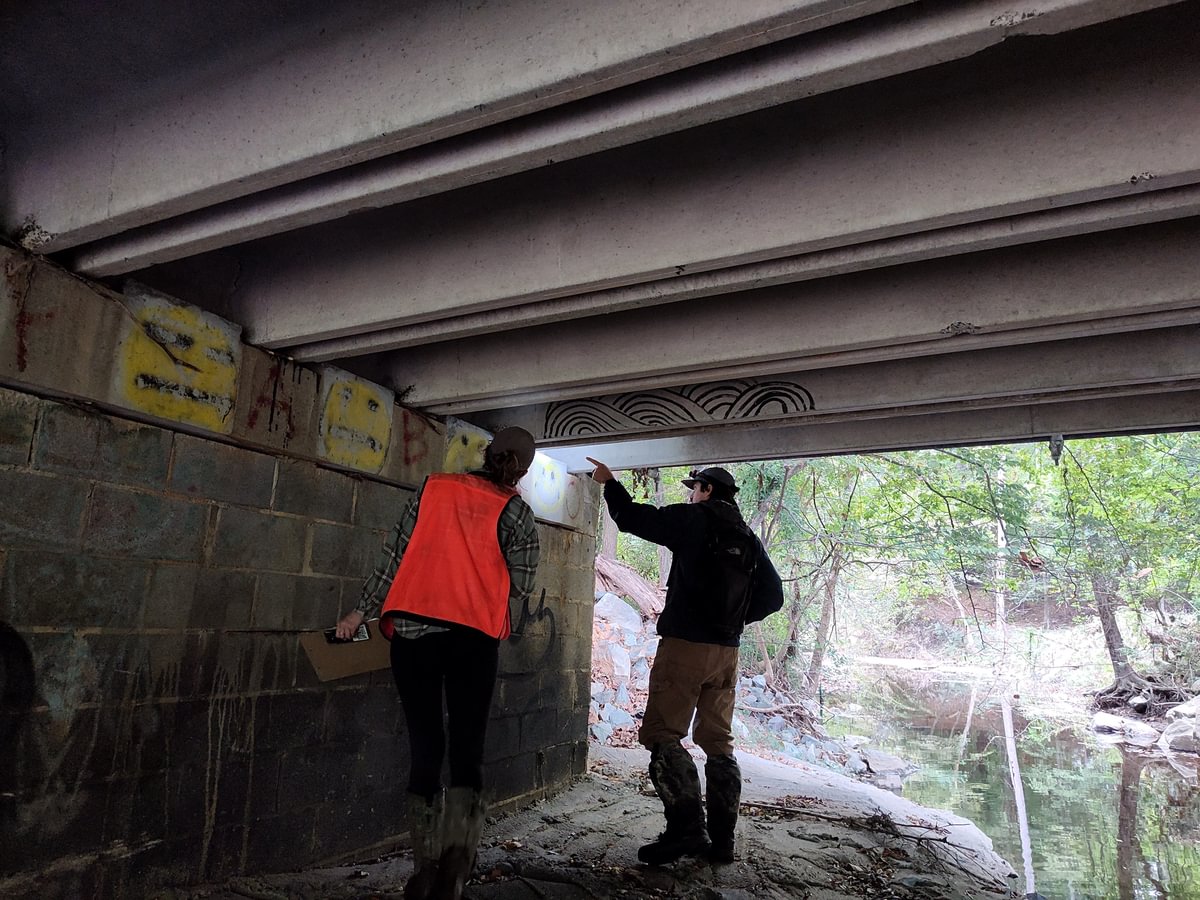
One of the most rewarding parts of her work is the continuous variety and problem-solving. “Every project we work on is different,” she says. “We’re always encountering new challenges and figuring out how to approach solutions that meet both the project’s needs and regulatory requirements.” She enjoys working with a diverse range of clients and land development projects that make a positive impact on communities—whether it’s residential developments that provide much-needed housing and amenities, transportation projects that reduce drive times and support alternative travel options, schools and municipal facilities that serve public needs, commercial developments that bring new services and options to an area, or industrial projects that create jobs and generate tax revenue.
With deep expertise in environmental assessments, permitting, and regulatory adherence, Timmons Group’s North Carolina environmental team plays an essential role in keeping projects on track, on time, and in compliance. By partnering closely with clients and design teams, they help ensure that complex projects are built on a foundation of sound environmental data and technical precision.
Click here to learn more about how environmental consulting can benefit your next project.